Working dog breed
Akbash
The Akbash is a very large working breed with a typical lifespan of 10 to 12 years.
Reviewed to our editorial standards · Updated
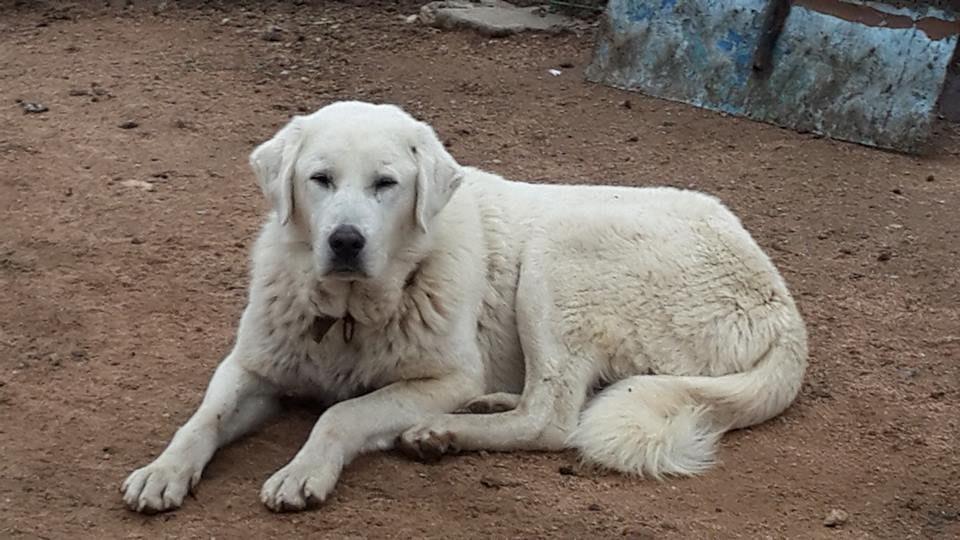
- Size
- Very Large
- Height
- 27 to 34 inches
- Weight
- 75 to 140 pounds
- Life span
- 10 to 12 years
- Group
- Working
History and purpose
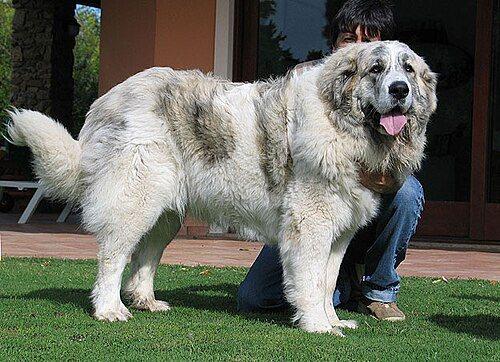
A Turkish livestock guardian from the Akbaş region, bred to live with flocks and drive off wolves and bears. Its white coat helped shepherds tell the dog apart from predators at night.
An adult Akbash usually stands 27 to 34 inches and weighs 75 to 140 pounds. It is an independent thinker built to make decisions without a handler, which makes formal obedience slow work.
Temperament
Most Akbashs attach strongly to their family and follow them from room to room. Children tend to be a highlight for the Akbash, which is usually tolerant of noise and fuss. It usually gets along with other dogs it has been introduced to properly.
It tends to be wary of strangers, which makes it a natural watchdog but means socialisation matters from puppyhood. It barks to alert you but isn't usually a nuisance barker.
Exercise, grooming and training
Exercise needs are modest: two short walks and some play each day are usually enough. It handles time alone better than many dogs.
Its coat needs moderate care: regular brushing plus the odd bath. It sheds heavily, especially in spring and autumn, so expect hair around the house.
It is reasonably biddable; short daily sessions work better than long ones.
It copes poorly with heat, so walk it in the cool of the day and watch for overheating.
Work out their needs with the free calorie calculator, exercise calculator and water intake calculator.
Health and lifespan
Owners and breeders watch for hip dysplasia, bloat (gastric dilatation-volvulus) and hypothyroidism.
Typical life expectancy is 10 to 12 years. If you buy a puppy, ask to see the parents' hip and elbow scores. The Akbash puts on weight easily, so measure meals and go easy on treats.
- Hip dysplasia
- Bloat (gastric dilatation-volvulus)
- Hypothyroidism
Ratings
Scored 1 to 5, where 5 is the most. Individual dogs vary.
Living with it
- Adaptability
- 2/5
- Apartment living
- 1/5
- Good for first-time owners
- 2/5
- Sensitivity
- 3/5
- Copes with being alone
- 4/5
- Copes with cold
- 4/5
- Copes with heat
- 2/5
Friendliness
- Affection with family
- 5/5
- Good with kids
- 4/5
- Good with other dogs
- 3/5
- Friendly with strangers
- 2/5
Coat and health
- Shedding
- 4/5
- Drooling
- 2/5
- Easy to groom
- 3/5
- General health
- 4/5
- Tendency to gain weight
- 4/5
Training and behaviour
- Easy to train
- 3/5
- Intelligence
- 4/5
- Mouthiness
- 3/5
- Prey drive
- 1/5
- Barking
- 3/5
- Tendency to roam
- 1/5
Exercise
- Energy
- 2/5
- Intensity
- 2/5
- Exercise needs
- 2/5
- Playfulness
- 3/5
Is the Akbash right for you?
Often a good fit for
- Quieter households and less active owners
- Families with children
- Owners who work some days away from home
- Owners who want a natural watchdog
Less suited to
- First-time owners
- Small apartments without a garden
- People who don't want dog hair around the house
Thinking of adopting? Read our guide to adopting a rescue or browse adoption on Hushku.
Akbash questions
What was the Akbash originally bred for?
A Turkish livestock guardian from the Akbaş region, bred to live with flocks and drive off wolves and bears. Today, it is an independent thinker built to make decisions without a handler, which makes formal obedience slow work.
What health problems do Akbashs have?
Hip dysplasia, bloat (gastric dilatation-volvulus) and hypothyroidism are the conditions most associated with the Akbash. Ask a breeder for the parents' hip and elbow scores before you commit.
Is the Akbash good with kids?
Usually, yes. The Akbash is rated 4 out of 5 for getting along with children. Its size means play with small children should be supervised.
How much exercise does an Akbash need?
Plan on 30 to 45 minutes a day. With energy 2 out of 5 and exercise needs 2 out of 5, it is happy with gentle outings. Exercise it in the cool of the day in summer.
Does the Akbash shed?
Yes, a lot: it rates 4 out of 5 for shedding and 3 out of 5 for ease of grooming. Brush several times a week, and daily in shedding season.
Is the Akbash a good dog for first-time owners?
It is usually better with an experienced owner, because of its size (about 48 kg on average) and its wariness of strangers. A first-time owner who still wants one should budget for a training class from day one.
How big does an Akbash get?
Adults typically stand 27 to 34 inches and weigh 75 to 140 pounds (about 48 kg on average), which makes it a very large dog. Males are usually larger than females.
Own an Akbash?
Keep their reminders, weight and health records in Hushku, and find playmates nearby.
