Companion dog breed
Havanese
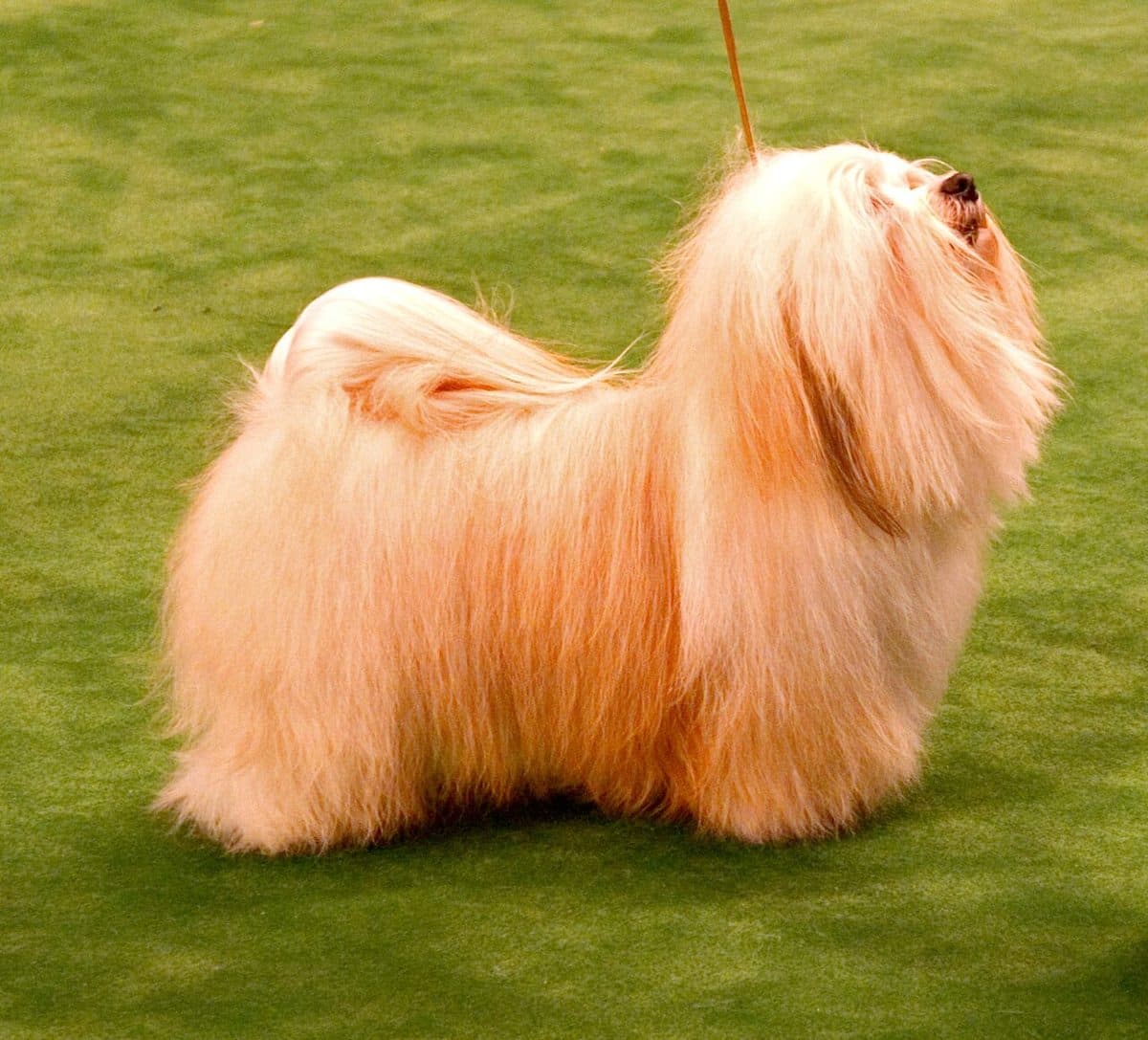
The Havanese is a small companion breed with a typical lifespan of 12 to 15 years.
Reviewed to our editorial standards · Updated
- Size
- Small
- Height
- 8 to 11 inches
- Weight
- 7 to 13 pounds
- Life span
- 12 to 15 years
- Group
- Companion
History and purpose
Cuba's national dog, descended from Bichon-type dogs brought by Spanish settlers and kept by the Cuban aristocracy. It nearly vanished after the revolution, and the US population was rebuilt from a few dogs.
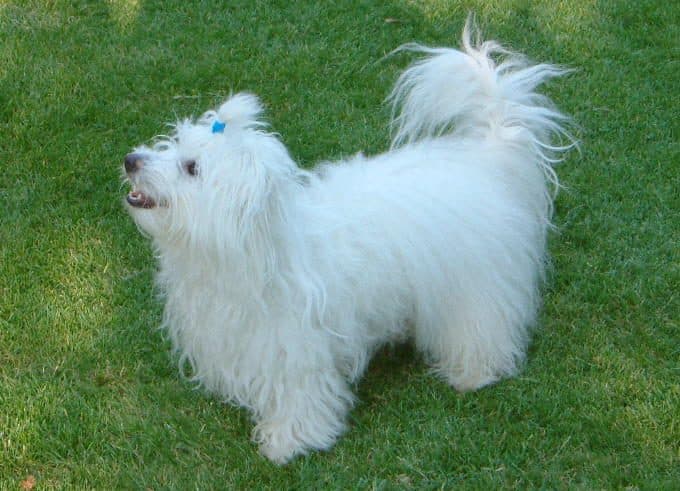
An adult Havanese usually stands 8 to 11 inches and weighs 7 to 13 pounds. Its silky coat sheds little but needs regular brushing to prevent mats.
Temperament
Most Havaneses attach strongly to their family and follow them from room to room. With kids it is generally easygoing, and many Havaneses become a child's constant shadow. It generally enjoys the company of other dogs.
It is outgoing with new people and rarely shy. It is a fairly quiet dog. A strong prey drive means it may chase cats, squirrels and small pets, so use a lead near wildlife.
Exercise, grooming and training
Around 45 to 60 minutes of exercise a day, plus some games, keeps it settled. Left alone too long, it may bark, chew or fret, so build up time alone gradually from puppyhood.
Its coat needs regular work: frequent brushing and, for many coats, professional grooming every few weeks. Shedding is minimal.
It is quick to learn and enjoys training, so it does well in obedience and dog sports.
Work out their needs with the free calorie calculator, exercise calculator and water intake calculator.
Health and lifespan
Owners and breeders watch for patellar luxation, Legg-Calvé-Perthes disease, chondrodysplasia and cataracts.
Typical life expectancy is 12 to 15 years. If you buy a puppy, ask to see the parents' eye test results. The Havanese puts on weight easily, so measure meals and go easy on treats.
- Patellar luxation
- Legg-Calvé-Perthes disease
- Chondrodysplasia
- Cataracts
Ratings
Scored 1 to 5, where 5 is the most. Individual dogs vary.
Living with it
- Adaptability
- 3/5
- Apartment living
- 5/5
- Good for first-time owners
- 5/5
- Sensitivity
- 4/5
- Copes with being alone
- 1/5
- Copes with cold
- 3/5
- Copes with heat
- 4/5
Friendliness
- Affection with family
- 5/5
- Good with kids
- 4/5
- Good with other dogs
- 5/5
- Friendly with strangers
- 5/5
Coat and health
- Shedding
- 2/5
- Drooling
- 1/5
- Easy to groom
- 1/5
- General health
- 3/5
- Tendency to gain weight
- 4/5
Training and behaviour
- Easy to train
- 5/5
- Intelligence
- 4/5
- Mouthiness
- 3/5
- Prey drive
- 4/5
- Barking
- 2/5
- Tendency to roam
- 2/5
Exercise
- Energy
- 3/5
- Intensity
- 2/5
- Exercise needs
- 3/5
- Playfulness
- 5/5
Is the Havanese right for you?
Often a good fit for
- First-time owners willing to train consistently
- Apartment living, with daily outings
- Families with children
- People who want a dog that sheds little
Less suited to
- Owners who are out all day
- Homes with cats or small pets, unless raised together
Thinking of adopting? Read our guide to adopting a rescue or browse adoption on Hushku.
Havanese questions
What was the Havanese originally bred for?
Cuba's national dog, descended from Bichon-type dogs brought by Spanish settlers and kept by the Cuban aristocracy. Today, its silky coat sheds little but needs regular brushing to prevent mats.
What health problems do Havaneses have?
Patellar luxation, Legg-Calvé-Perthes disease, chondrodysplasia and cataracts are the conditions most associated with the Havanese. Ask a breeder for the parents' eye test results before you commit.
Is the Havanese good with kids?
Usually, yes. The Havanese is rated 4 out of 5 for getting along with children. Small dogs can be hurt by rough handling, so teach children to sit on the floor to hold it.
How much exercise does a Havanese need?
Plan on about an hour a day. With energy 3 out of 5 and exercise needs 3 out of 5, it does well with walks and play.
Does the Havanese shed?
Very little: it rates 2 out of 5 for shedding and 1 out of 5 for ease of grooming. Low shedding doesn't mean no grooming; many low-shedding coats need clipping.
Is the Havanese a good dog for first-time owners?
It can be. Plan for a strong prey drive, but it is one of the easier breeds to start with.
How big does a Havanese get?
Adults typically stand 8 to 11 inches and weigh 7 to 13 pounds (about 5 kg on average), which makes it a small dog. Males are usually larger than females.
Own a Havanese?
Keep their reminders, weight and health records in Hushku, and find playmates nearby.
