Companion dog breed
Keeshond
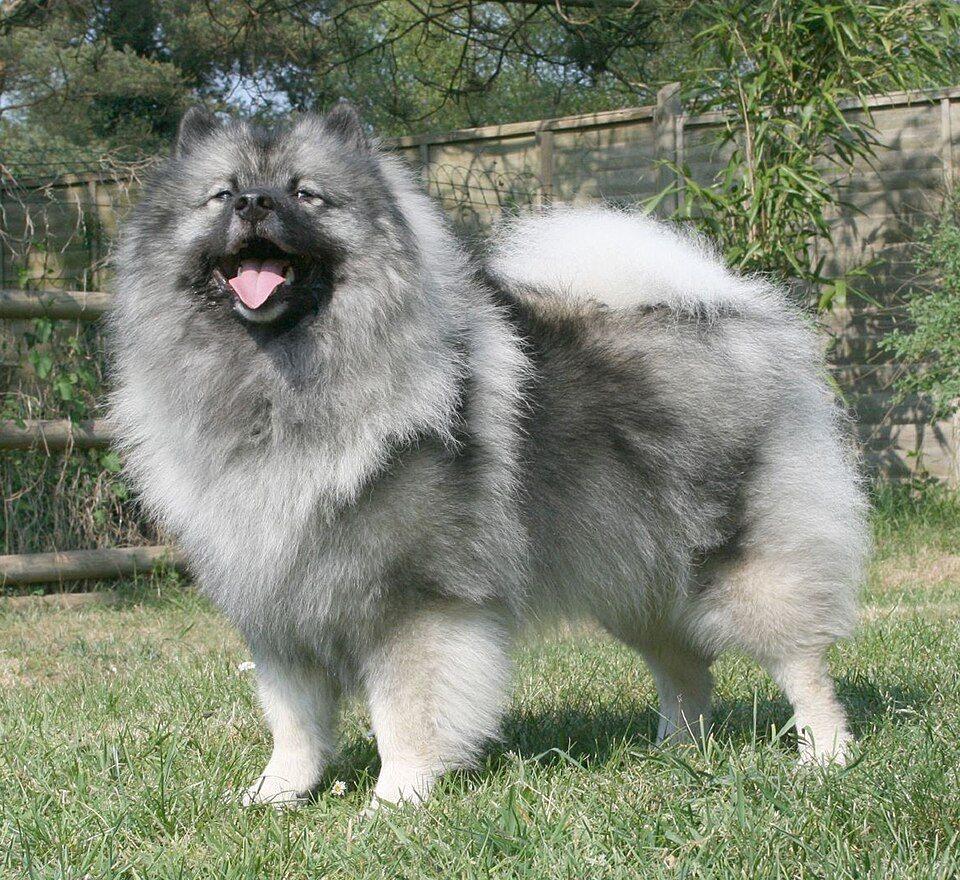
The Keeshond is a medium companion breed with a typical lifespan of 12 to 15 years.
Reviewed to our editorial standards · Updated
- Size
- Medium
- Height
- 16 inches to 19 inches
- Weight
- 35 to 45 pounds
- Life span
- 12 to 15 years
- Group
- Companion
History and purpose
A Dutch spitz that guarded barges on canals and rivers. It is named after Kees de Gyselaer, an 18th-century Dutch Patriot leader.
An adult Keeshond usually stands 16 inches to 19 inches and weighs 35 to 45 pounds. Its "spectacles" are dark markings around the eyes.
Temperament
Most Keeshonds attach strongly to their family and follow them from room to room. With kids it is generally easygoing, and many Keeshonds become a child's constant shadow. It generally enjoys the company of other dogs.
It is outgoing with new people and rarely shy. It can be vocal, so teach a quiet cue early, especially in apartments. Keep an eye on it around small pets until you know how it reacts.
Exercise, grooming and training
Around 45 to 60 minutes of exercise a day, plus some games, keeps it settled. It struggles when left alone for long periods and can develop separation anxiety.
Its coat needs moderate care: regular brushing plus the odd bath. Expect plenty of loose hair, with heavier moults twice a year.
It is quick to learn and enjoys training, so it does well in obedience and dog sports.
Work out their needs with the free calorie calculator, exercise calculator and water intake calculator.
Health and lifespan
Health problems known in the breed include hip dysplasia, primary hyperparathyroidism, epilepsy and hypothyroidism.
Typical life expectancy is 12 to 15 years. If you buy a puppy, ask to see the parents' hip and elbow scores. The Keeshond puts on weight easily, so measure meals and go easy on treats.
- Hip dysplasia
- Primary hyperparathyroidism
- Epilepsy
- Hypothyroidism
Ratings
Scored 1 to 5, where 5 is the most. Individual dogs vary.
Living with it
- Adaptability
- 3/5
- Apartment living
- 4/5
- Good for first-time owners
- 4/5
- Sensitivity
- 5/5
- Copes with being alone
- 1/5
- Copes with cold
- 5/5
- Copes with heat
- 3/5
Friendliness
- Affection with family
- 5/5
- Good with kids
- 5/5
- Good with other dogs
- 4/5
- Friendly with strangers
- 4/5
Coat and health
- Shedding
- 5/5
- Drooling
- 1/5
- Easy to groom
- 3/5
- General health
- 3/5
- Tendency to gain weight
- 4/5
Training and behaviour
- Easy to train
- 4/5
- Intelligence
- 4/5
- Mouthiness
- 3/5
- Prey drive
- 3/5
- Barking
- 4/5
- Tendency to roam
- 2/5
Exercise
- Energy
- 4/5
- Intensity
- 3/5
- Exercise needs
- 3/5
- Playfulness
- 5/5
Is the Keeshond right for you?
Often a good fit for
- First-time owners willing to train consistently
- Apartment living, with daily outings
- Families with children
Less suited to
- Owners who are out all day
- People who don't want dog hair around the house
Thinking of adopting? Read our guide to adopting a rescue or browse adoption on Hushku.
Keeshond questions
What was the Keeshond originally bred for?
A Dutch spitz that guarded barges on canals and rivers. Today, its "spectacles" are dark markings around the eyes.
What health problems do Keeshonds have?
Hip dysplasia, primary hyperparathyroidism, epilepsy and hypothyroidism are the conditions most associated with the Keeshond. Ask a breeder for the parents' hip and elbow scores before you commit.
Is the Keeshond good with kids?
Usually, yes. The Keeshond is rated 5 out of 5 for getting along with children.
How much exercise does a Keeshond need?
Plan on about an hour a day. With energy 4 out of 5 and exercise needs 3 out of 5, it does well with walks and play.
Does the Keeshond shed?
Yes, a lot: it rates 5 out of 5 for shedding and 3 out of 5 for ease of grooming. Brush several times a week, and daily in shedding season.
Is the Keeshond a good dog for first-time owners?
It can be. Plan for its energy, but it is one of the easier breeds to start with.
How big does a Keeshond get?
Adults typically stand 16 inches to 19 inches and weigh 35 to 45 pounds (about 18 kg on average), which makes it a medium dog. Males are usually larger than females.
Own a Keeshond?
Keep their reminders, weight and health records in Hushku, and find playmates nearby.
