Working dog breed
Kishu Ken
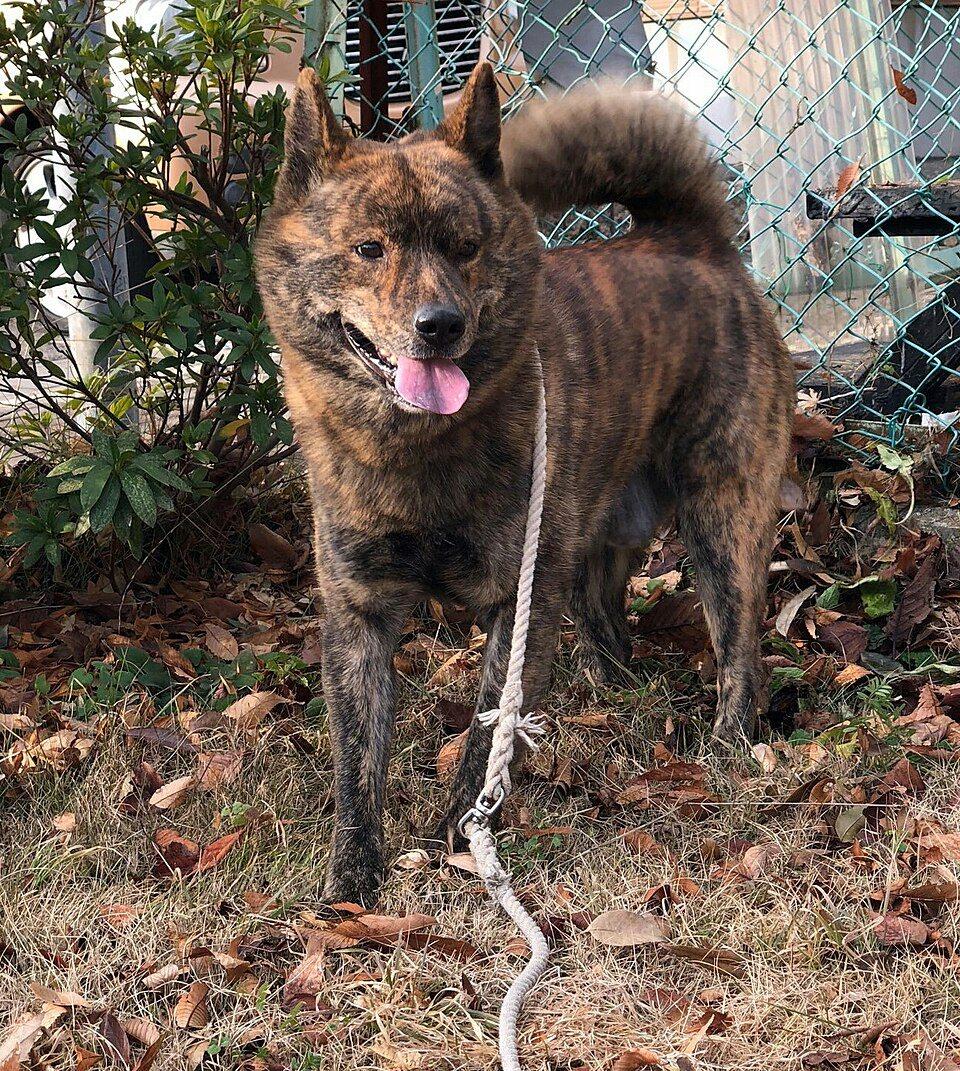
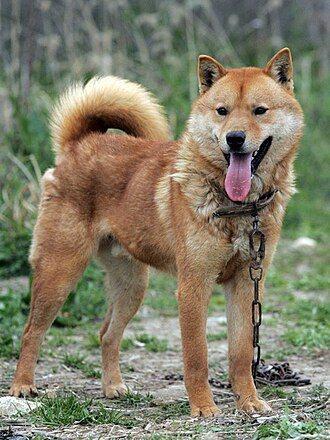
The Kishu Ken is a medium working breed with a typical lifespan of 9 to 13 years.
Reviewed to our editorial standards · Updated
- Size
- Medium
- Height
- 17 to 22 inches
- Weight
- 30 to 60 pounds
- Life span
- 9 to 13 years
- Group
- Working
History and purpose
An ancient Japanese hunting dog from the mountainous Kishu region, used to hunt boar and deer. It is a natural monument of Japan.
Fully grown, the Kishu Ken stands 17 to 22 inches and weighs 30 to 60 pounds. It is quiet, loyal and rare outside Japan.
Temperament
The Kishu Ken is affectionate with its family while keeping some independence. Around children it is usually fine, especially if it grew up with them. It can be selective with other dogs, so introductions should be slow and on neutral ground.
New people are met with caution rather than enthusiasm. It is a fairly quiet dog. A strong prey drive means it may chase cats, squirrels and small pets, so use a lead near wildlife.
Exercise, grooming and training
Daily exercise is not optional for the Kishu Ken. Most need a long walk or run every day, and more on weekends. It copes with a few hours alone once it is used to it.
Expect to brush it a couple of times a week. It is a heavy shedder, so a good vacuum helps.
It is quick to learn and enjoys training, so it does well in obedience and dog sports.
Work out their needs with the free calorie calculator, exercise calculator and water intake calculator.
Health and lifespan
Owners and breeders watch for hypothyroidism and entropion.
Typical life expectancy is 9 to 13 years. If you buy a puppy, ask the breeder what health testing the parents have had.
- Hypothyroidism
- Entropion
Ratings
Scored 1 to 5, where 5 is the most. Individual dogs vary.
Living with it
- Adaptability
- 3/5
- Apartment living
- 3/5
- Good for first-time owners
- 2/5
- Sensitivity
- 3/5
- Copes with being alone
- 3/5
- Copes with cold
- 5/5
- Copes with heat
- 3/5
Friendliness
- Affection with family
- 3/5
- Good with kids
- 3/5
- Good with other dogs
- 2/5
- Friendly with strangers
- 2/5
Coat and health
- Shedding
- 4/5
- Drooling
- 2/5
- Easy to groom
- 3/5
- General health
- 4/5
- Tendency to gain weight
- 3/5
Training and behaviour
- Easy to train
- 4/5
- Intelligence
- 5/5
- Mouthiness
- 2/5
- Prey drive
- 4/5
- Barking
- 1/5
- Tendency to roam
- 2/5
Exercise
- Energy
- 3/5
- Intensity
- 3/5
- Exercise needs
- 4/5
- Playfulness
- 2/5
Is the Kishu Ken right for you?
Often a good fit for
- Active people who hike, run or do dog sports
- Owners who want a natural watchdog
Less suited to
- First-time owners
- Homes that can manage only short daily walks
- People who don't want dog hair around the house
- Homes with cats or small pets, unless raised together
Thinking of adopting? Read our guide to adopting a rescue or browse adoption on Hushku.
Kishu Ken questions
What was the Kishu Ken originally bred for?
An ancient Japanese hunting dog from the mountainous Kishu region, used to hunt boar and deer. Today, it is quiet, loyal and rare outside Japan.
What health problems do Kishu Kens have?
Hypothyroidism and entropion are the conditions most associated with the Kishu Ken.
Is the Kishu Ken good with kids?
It can be. The Kishu Ken scores 3 out of 5 with children, and does best when raised around them.
How much exercise does a Kishu Ken need?
Plan on 90 minutes to 2 hours a day. With energy 3 out of 5 and exercise needs 4 out of 5, it does well with hiking, pulling sports or structured training.
Does the Kishu Ken shed?
Yes, a lot: it rates 4 out of 5 for shedding and 3 out of 5 for ease of grooming. Brush several times a week, and daily in shedding season.
Is the Kishu Ken a good dog for first-time owners?
It is usually better with an experienced owner, because of its wariness of strangers and a strong prey drive. A first-time owner who still wants one should budget for a training class from day one.
How big does a Kishu Ken get?
Adults typically stand 17 to 22 inches and weigh 30 to 60 pounds (about 20 kg on average), which makes it a medium dog. Males are usually larger than females.
Own a Kishu Ken?
Keep their reminders, weight and health records in Hushku, and find playmates nearby.
