Working dog breed
Newfoundland
The Newfoundland is a very large working breed with a typical lifespan of 8 to 10 years.
Reviewed to our editorial standards · Updated
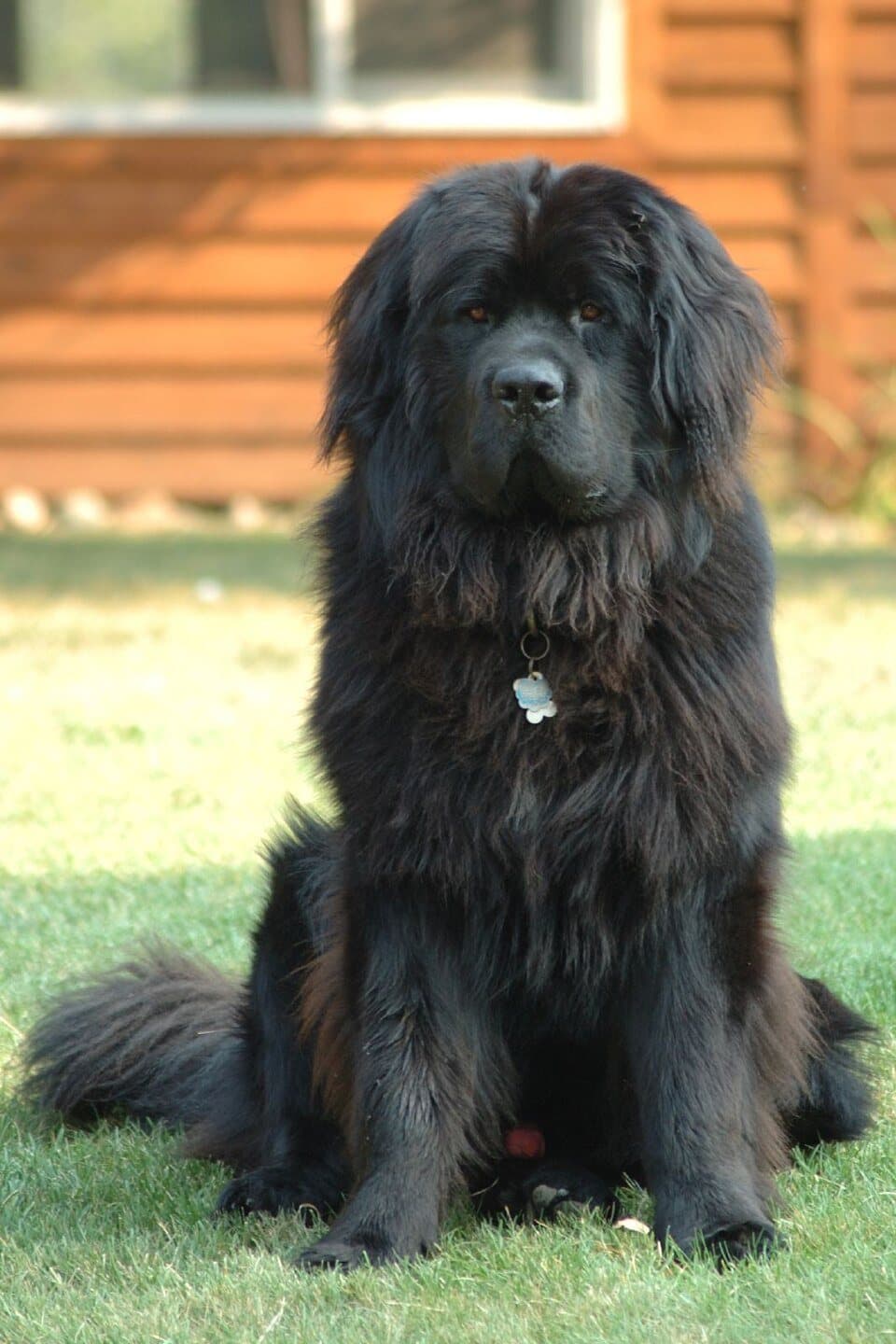
- Size
- Very Large
- Height
- 25 inch to 29 inches
- Weight
- 100 to 150 pounds
- Life span
- 8 to 10 years
- Group
- Working
History and purpose
From Newfoundland, Canada, where it hauled nets for fishermen and rescued people from the sea. Webbed feet and a water-resistant coat make it a strong swimmer.
A typical adult stands 25 inch to 29 inches and weighs 100 to 150 pounds. It is calm and gentle, and famously good with children.
Temperament
This is a people-focused dog that wants to be part of whatever the family is doing. With kids it is generally easygoing, and many Newfoundlands become a child's constant shadow. It generally enjoys the company of other dogs.
It is outgoing with new people and rarely shy. It can be vocal, so teach a quiet cue early, especially in apartments. A strong prey drive means it may chase cats, squirrels and small pets, so use a lead near wildlife.
Exercise, grooming and training
Around 45 to 60 minutes of exercise a day, plus some games, keeps it settled. Left alone too long, it may bark, chew or fret, so build up time alone gradually from puppyhood.
Its coat needs regular work: frequent brushing and, for many coats, professional grooming every few weeks. It is a heavy shedder, so a good vacuum helps. It drools a fair amount.
It is quick to learn and enjoys training, so it does well in obedience and dog sports.
It copes poorly with heat, so walk it in the cool of the day and watch for overheating.
Work out their needs with the free calorie calculator, exercise calculator and water intake calculator.
Health and lifespan
Conditions seen more often in the Newfoundland include hip and elbow dysplasia, subvalvular aortic stenosis, cystinuria and bloat.
Typical life expectancy is 8 to 10 years. If you buy a puppy, ask to see the parents' hip and elbow scores and heart screening results. The Newfoundland puts on weight easily, so measure meals and go easy on treats.
- Hip and elbow dysplasia
- Subvalvular aortic stenosis
- Cystinuria
- Bloat
Ratings
Scored 1 to 5, where 5 is the most. Individual dogs vary.
Living with it
- Adaptability
- 2/5
- Apartment living
- 1/5
- Good for first-time owners
- 3/5
- Sensitivity
- 4/5
- Copes with being alone
- 1/5
- Copes with cold
- 5/5
- Copes with heat
- 2/5
Friendliness
- Affection with family
- 5/5
- Good with kids
- 5/5
- Good with other dogs
- 4/5
- Friendly with strangers
- 4/5
Coat and health
- Shedding
- 5/5
- Drooling
- 5/5
- Easy to groom
- 2/5
- General health
- 1/5
- Tendency to gain weight
- 4/5
Training and behaviour
- Easy to train
- 5/5
- Intelligence
- 4/5
- Mouthiness
- 3/5
- Prey drive
- 4/5
- Barking
- 4/5
- Tendency to roam
- 3/5
Exercise
- Energy
- 3/5
- Intensity
- 1/5
- Exercise needs
- 3/5
- Playfulness
- 4/5
Is the Newfoundland right for you?
Often a good fit for
- Families with children
Less suited to
- First-time owners
- Small apartments without a garden
- Owners who are out all day
- People who don't want dog hair around the house
- Homes with cats or small pets, unless raised together
Thinking of adopting? Read our guide to adopting a rescue or browse adoption on Hushku.
Newfoundland questions
What was the Newfoundland originally bred for?
From Newfoundland, Canada, where it hauled nets for fishermen and rescued people from the sea. Today, it is calm and gentle, and famously good with children.
What health problems do Newfoundlands have?
Hip and elbow dysplasia, subvalvular aortic stenosis, cystinuria and bloat are the conditions most associated with the Newfoundland. Ask a breeder for the parents' hip and elbow scores and heart screening results before you commit.
Is the Newfoundland good with kids?
Usually, yes. The Newfoundland is rated 5 out of 5 for getting along with children. Its size means play with small children should be supervised.
How much exercise does a Newfoundland need?
Plan on about an hour a day. With energy 3 out of 5 and exercise needs 3 out of 5, it does well with hiking, pulling sports or structured training. Exercise it in the cool of the day in summer.
Does the Newfoundland shed?
Yes, a lot: it rates 5 out of 5 for shedding and 2 out of 5 for ease of grooming. Brush several times a week, and daily in shedding season.
Is the Newfoundland a good dog for first-time owners?
It is usually better with an experienced owner, because of its size (about 56 kg on average) and a strong prey drive. A first-time owner who still wants one should budget for a training class from day one.
How big does a Newfoundland get?
Adults typically stand 25 inch to 29 inches and weigh 100 to 150 pounds (about 56 kg on average), which makes it a very large dog. Males are usually larger than females.
Own a Newfoundland?
Keep their reminders, weight and health records in Hushku, and find playmates nearby.
