Mixed breed
Shorkie
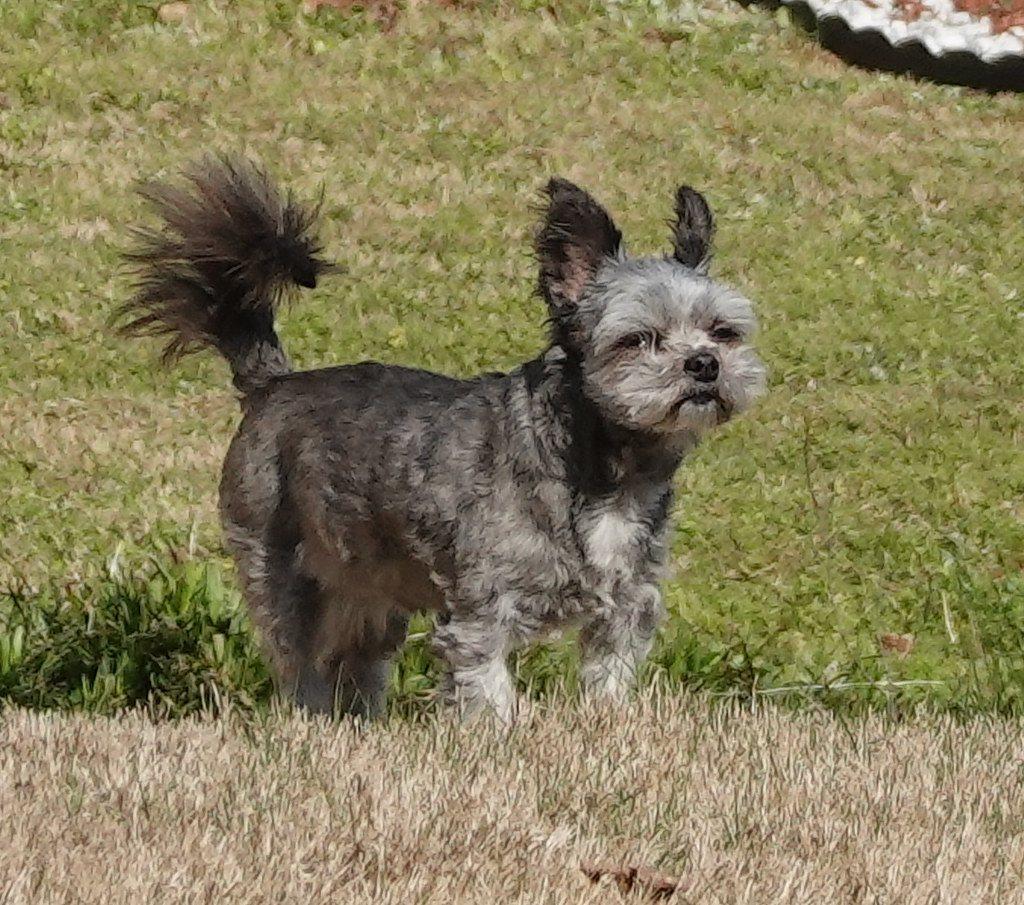
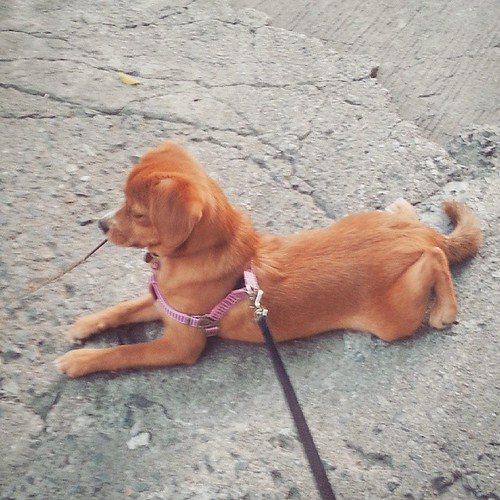
The Shorkie is a cross between the Shih Tzu and the Yorkshire Terrier, usually small in size and living 11 to 16 years.
Reviewed to our editorial standards · Updated
- Size
- Small
- Height
- 6 to 14 inches
- Weight
- 5 to 15 pounds
- Life span
- 11 to 16 years
- Group
- Mixed Breed
- Parent breeds
- Shih Tzu and Yorkshire Terrier
About the Shorkie
The Shorkie is a cross between the Shih Tzu and the Yorkshire Terrier. No two Shorkies are quite alike: a puppy may lean towards one parent in looks and the other in temperament.
An adult Shorkie usually stands 6 to 14 inches and weighs 5 to 15 pounds.
The parent breeds
- Shih Tzu
A Tibetan and Chinese palace dog, bred for centuries by the imperial court.
- Yorkshire Terrier
Developed in Yorkshire in the 1800s by Scottish workers who brought small terriers to the mills, to catch rats.
Temperament
The Shorkie is very affectionate and likes to be close to its people. Around children it is usually fine, especially if it grew up with them. It can be selective with other dogs, so introductions should be slow and on neutral ground.
With strangers it is polite rather than effusive and warms up given time. It can be vocal, so teach a quiet cue early, especially in apartments. A strong prey drive means it may chase cats, squirrels and small pets, so use a lead near wildlife.
Exercise, grooming and training
A couple of relaxed walks a day keeps it fit; it is not built for long runs. Long days alone don't suit it; it is happiest when someone is home.
Its coat is low-maintenance; a weekly once-over with a brush is plenty. Shedding is minimal.
Training takes patience; it responds to short, reward-based sessions far better than to pressure.
It copes poorly with heat, so walk it in the cool of the day and watch for overheating. It feels the cold and may need a coat in winter.
Work out their needs with the free calorie calculator, exercise calculator and water intake calculator.
Health and lifespan
The Shorkie can inherit conditions from either parent breed. The ones most worth knowing about are dental disease, brachycephalic airway issues, eye problems (dry eye, proptosis) and intervertebral disc disease.
Typical life expectancy is 11 to 16 years. If you buy a puppy, ask to see the parents' eye test results.
- Dental disease
- Brachycephalic airway issues
- Eye problems (dry eye, proptosis)
- Intervertebral disc disease
- Patellar luxation
- Portosystemic shunt
Ratings
Scored 1 to 5, where 5 is the most. Individual dogs vary.
Living with it
- Adaptability
- 2/5
- Apartment living
- 5/5
- Good for first-time owners
- 3/5
- Sensitivity
- 3/5
- Copes with being alone
- 1/5
- Copes with cold
- 2/5
- Copes with heat
- 2/5
Friendliness
- Affection with family
- 4/5
- Good with kids
- 3/5
- Good with other dogs
- 2/5
- Friendly with strangers
- 3/5
Coat and health
- Shedding
- 2/5
- Drooling
- 1/5
- Easy to groom
- 4/5
- General health
- 2/5
- Tendency to gain weight
- 3/5
Training and behaviour
- Easy to train
- 2/5
- Intelligence
- 3/5
- Mouthiness
- 2/5
- Prey drive
- 4/5
- Barking
- 4/5
- Tendency to roam
- 3/5
Exercise
- Energy
- 4/5
- Intensity
- 3/5
- Exercise needs
- 2/5
- Playfulness
- 5/5
Is the Shorkie right for you?
Often a good fit for
- Quieter households and less active owners
- Apartment living, with daily outings
- People who want a dog that sheds little
Less suited to
- Owners who are out all day
- Homes with cats or small pets, unless raised together
Thinking of adopting? Read our guide to adopting a rescue or browse adoption on Hushku.
Shorkie questions
What two breeds make a Shorkie?
The Shorkie is a cross between the Shih Tzu and the Yorkshire Terrier. About the Shih Tzu: A Tibetan and Chinese palace dog, bred for centuries by the imperial court. About the Yorkshire Terrier: Developed in Yorkshire in the 1800s by Scottish workers who brought small terriers to the mills, to catch rats.
What health problems do Shorkies have?
Dental disease, brachycephalic airway issues, eye problems (dry eye, proptosis), intervertebral disc disease and patellar luxation are the conditions most associated with the Shorkie and its parent breeds. Ask a breeder for the parents' eye test results before you commit.
Is the Shorkie good with kids?
It can be. The Shorkie scores 3 out of 5 with children, and does best when raised around them. Small dogs can be hurt by rough handling, so teach children to sit on the floor to hold it.
How much exercise does a Shorkie need?
Plan on 30 to 45 minutes a day. With energy 4 out of 5 and exercise needs 2 out of 5, it is happy with gentle outings. Exercise it in the cool of the day in summer.
Does the Shorkie shed?
Very little: it rates 2 out of 5 for shedding and 4 out of 5 for ease of grooming. Low shedding doesn't mean no grooming; many low-shedding coats need clipping.
Is the Shorkie a good dog for first-time owners?
It can work for a well-prepared first-time owner. The main challenges are its energy, an independent streak in training and a strong prey drive.
How big does a Shorkie get?
Adults typically stand 6 to 14 inches and weigh 5 to 15 pounds (about 5 kg on average), which makes it a small dog. Mixes vary more than pedigrees, so the parents' size is the best guide.


Own a Shorkie?
Keep their reminders, weight and health records in Hushku, and find playmates nearby.
