Turkey · Cat breed
Turkish Angora
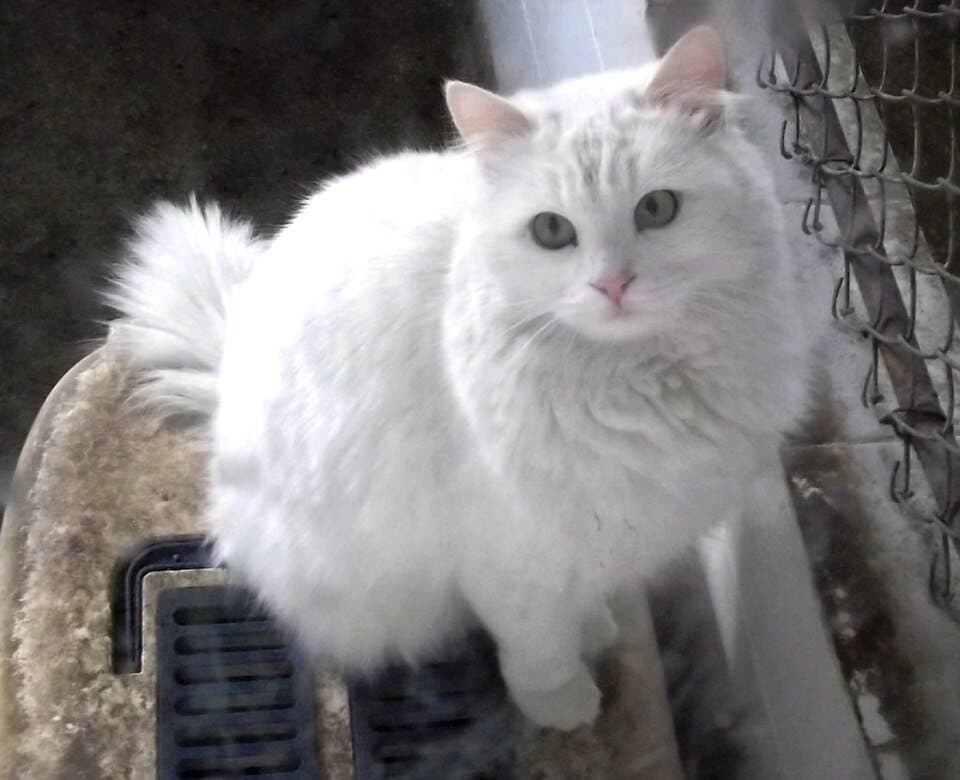
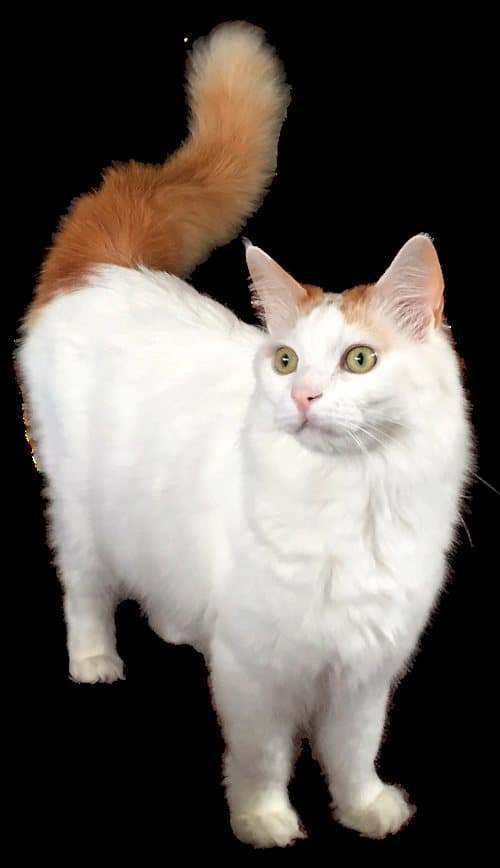
The Turkish Angora is a cat breed from Turkey, known for being affectionate, agile, clever, with a typical lifespan of 15 to 18 years.
Reviewed to our editorial standards · Updated
- Origin
- Turkey
- Weight
- 5 to 10 lbs
- Life span
- 15 to 18 years
- Lap cat
- Not usually
History and origin
An ancient breed from the Ankara region of Turkey. Ankara Zoo began a breeding programme in the early 1900s to preserve it.
A typical adult weighs 5 to 10 lbs. White cats with blue eyes are at higher risk of deafness.
Personality
Expect a cat that seeks out laps and company. This is an energetic, athletic cat that gets bored without things to climb and chase. It dislikes being alone for long periods and may do best with a companion animal.
It copes well with the noise of family life. It usually accepts dogs well. It is moderately vocal.
Care and grooming
Give it cat trees, window perches and two or more play sessions a day with wand toys.
It is clever enough to learn tricks and open cupboards, so puzzle feeders and clicker games help.
A weekly brush is enough. It sheds little.
Work out their needs with the free calorie calculator and water intake calculator.
Health and lifespan
Conditions seen more often in the Turkish Angora include hereditary deafness (in white blue-eyed cats), hypertrophic cardiomyopathy and ataxia.
Typical life expectancy is 15 to 18 years. Ask breeders whether parents are screened for heart disease by echocardiogram.
- Hereditary deafness (in white blue-eyed cats)
- Hypertrophic cardiomyopathy
- Ataxia
Ratings
Scored 1 to 5, where 5 is the most. Individual cats vary.
- Adaptability
- 5/5
- Affection
- 5/5
- Good with children
- 4/5
- Good with dogs
- 5/5
- Energy
- 5/5
- Grooming needs
- 2/5
- Health issues
- 2/5
- Intelligence
- 5/5
- Shedding
- 2/5
- Need for company
- 5/5
- Friendly with strangers
- 5/5
- Vocal
- 3/5
Is the Turkish Angora right for you?
Often a good fit for
- Families with children
- Homes with a dog
Less suited to
- Homes where it would be alone all day
- Small spaces without climbing room
Thinking of adopting? Read our guide to adopting a rescue or browse adoption on Hushku.
Turkish Angora questions
Where does the Turkish Angora come from?
An ancient breed from the Ankara region of Turkey. Ankara Zoo began a breeding programme in the early 1900s to preserve it.
What health problems do Turkish Angoras have?
Hereditary deafness (in white blue-eyed cats), hypertrophic cardiomyopathy and ataxia are the conditions most associated with the breed.
Is the Turkish Angora hypoallergenic?
No. It produces the usual cat allergens, so it isn't a good choice for people with cat allergies.
Is the Turkish Angora good with children?
Usually, yes: it scores 4 out of 5 with children and 5 out of 5 with dogs. Give it a high perch or a room where it can retreat from noise.
How much grooming does the Turkish Angora need?
A weekly brush is enough. It rates 2 out of 5 for grooming needs and 2 out of 5 for shedding.
Is the Turkish Angora an active cat?
Yes. It scores 5 out of 5 for energy and 5 out of 5 for intelligence, so plan on climbing space and daily interactive play.
How long do Turkish Angoras live?
Typically 15 to 18 years. Regular checks for hereditary deafness (in white blue-eyed cats) help catch problems early.
Similar cats
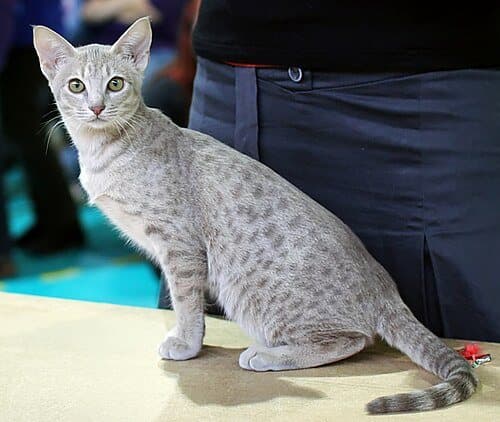
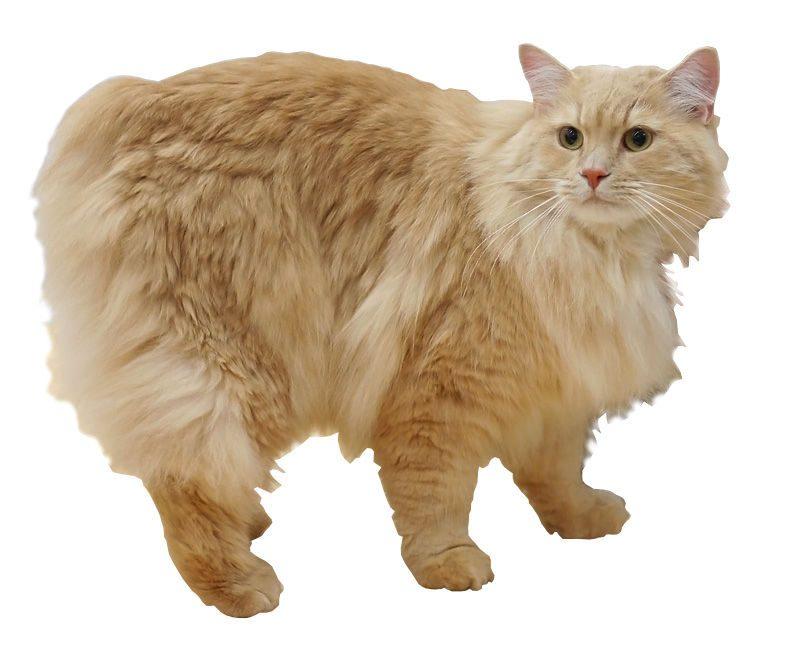
Turkish Angora compared
Own a Turkish Angora?
Keep their vet visits, weight and reminders in Hushku, and share care with your household.
