Dog breed comparison
Bichon Frise vs Coton de Tulear
How the two compare on size, temperament, training, grooming and health, and which suits your home.
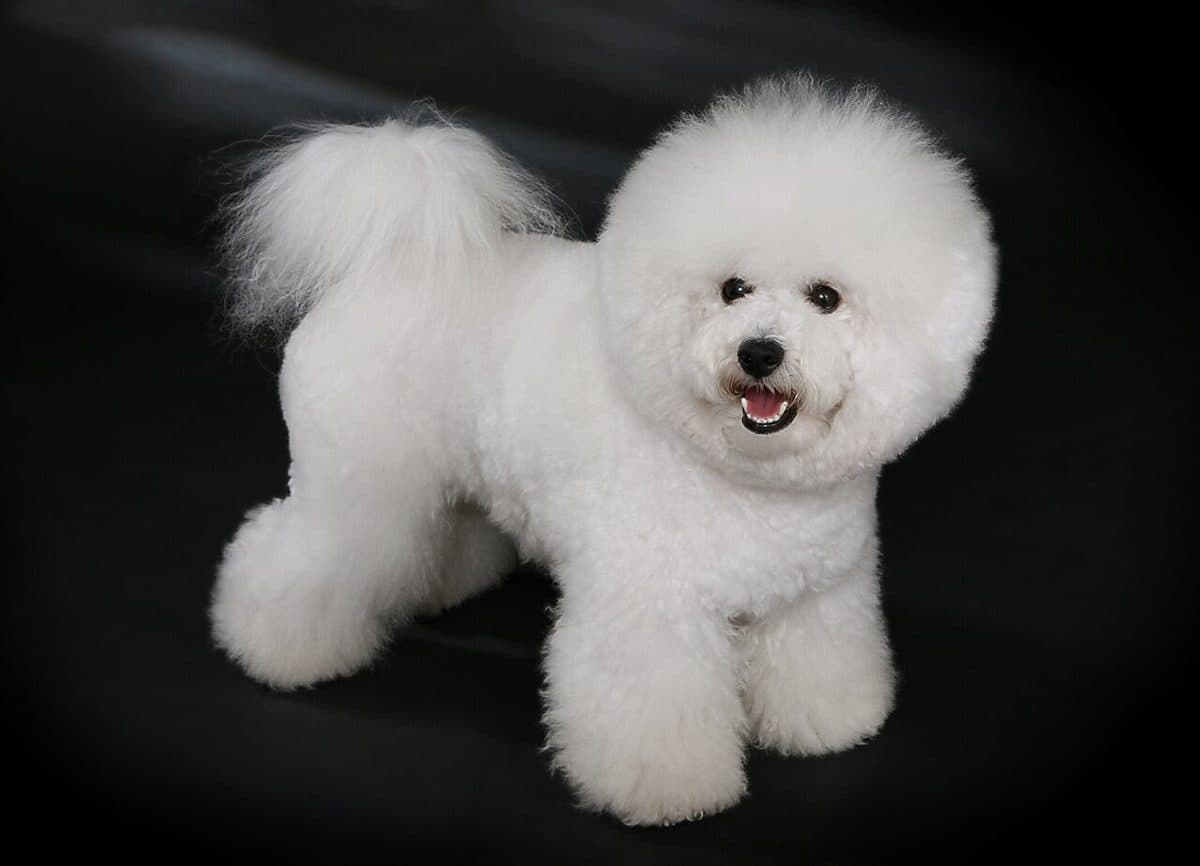
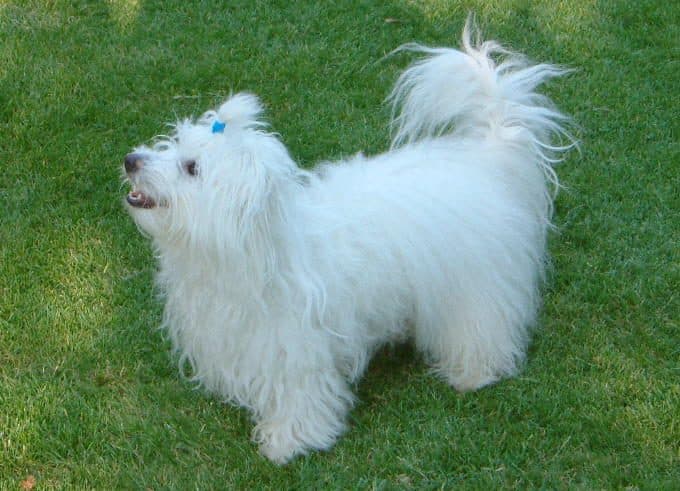
At a glance
Side by side.
| Trait | Bichon Frise | Coton de Tulear |
|---|---|---|
| Group | Companion Dogs | Companion Dogs |
| Size | Small | Small |
| Height | 9 to 11 inches | 8 to 12 inches |
| Weight | 7 to 12 pounds | 8 to 13 pounds |
| Life span | 12 to 15 years | Starts at 14 years |
| Energy | ||
| Exercise needs | ||
| Easy to train | ||
| Intelligence | ||
| Good with children | ||
| Good with other dogs | ||
| Friendly with strangers | ||
| Shedding | ||
| Easy to groom | ||
| Barking | ||
| Apartment living | ||
| First-time owners | ||
| Copes alone | ||
| Drooling | ||
| General health |
Ratings are 1 to 5, from our breed database. Every pet is an individual.
Background
Where they come from.
The Bichon Frise
Descended from Mediterranean water spaniels, it became a favourite of Spanish sailors, Italian nobles and the French court before working as a street and circus performer.
Its curly coat sheds little but must be brushed often and clipped every 4 to 6 weeks to prevent mats.
Health to watch
- Allergies
- Bladder stones
- Patellar luxation
- Dental disease
- Cataracts
The Coton de Tulear
The royal dog of Madagascar, named after the port of Tuléar. It descends from small dogs that probably arrived on ships and became favourites of the Merina nobility.
Its cotton-textured coat sheds little but mats easily without regular brushing.
Health to watch
- Patellar luxation
- Hip dysplasia
- Progressive retinal atrophy
Key differences
Where they differ most.
Energy
The Bichon Frise has more energy than the Coton de Tulear.
Easy to train
The Bichon Frise is easier to train than the Coton de Tulear.
Good with children
The Coton de Tulear is better with children than the Bichon Frise.
Good with other dogs
The Coton de Tulear gets on better with other dogs than the Bichon Frise.
Shedding
The Bichon Frise sheds more than the Coton de Tulear.
Easy to groom
The Coton de Tulear is easier to groom than the Bichon Frise.
Which to choose
Bichon Frise or Coton de Tulear?
Choose the Bichon Frise if…
- You want an active, playful companion (it has more energy)
- You want a dog that is easier to train
- You want a dog that suits first-time owners better
Choose the Coton de Tulear if…
- You’d like a calmer pet (it is calmer)
- You want a dog that is better with children
- You want a dog that gets on better with other dogs
- You want a dog that sheds less
Questions.
Which is easier to train, the Bichon Frise or the Coton de Tulear?
The Bichon Frise is generally easier to train than the Coton de Tulear. Short, positive, reward-based sessions work best for both.
Which is better for families, the Bichon Frise or the Coton de Tulear?
The Coton de Tulear is usually the better fit for families with children, though a well-socialised Bichon Frise can be great too. Always supervise young children with any pet.
Which sheds less?
The Coton de Tulear sheds less than the Bichon Frise. No breed is completely hair-free; regular brushing helps with both.
What health problems do the Bichon Frise and Coton de Tulear have?
The Bichon Frise is prone to allergies, bladder stones, patellar luxation. The Coton de Tulear is prone to patellar luxation, hip dysplasia, progressive retinal atrophy. Both share a risk of patellar luxation. Ask any breeder for the parents' health test results.
