Dog breed comparison
Bloodhound vs Basset Hound
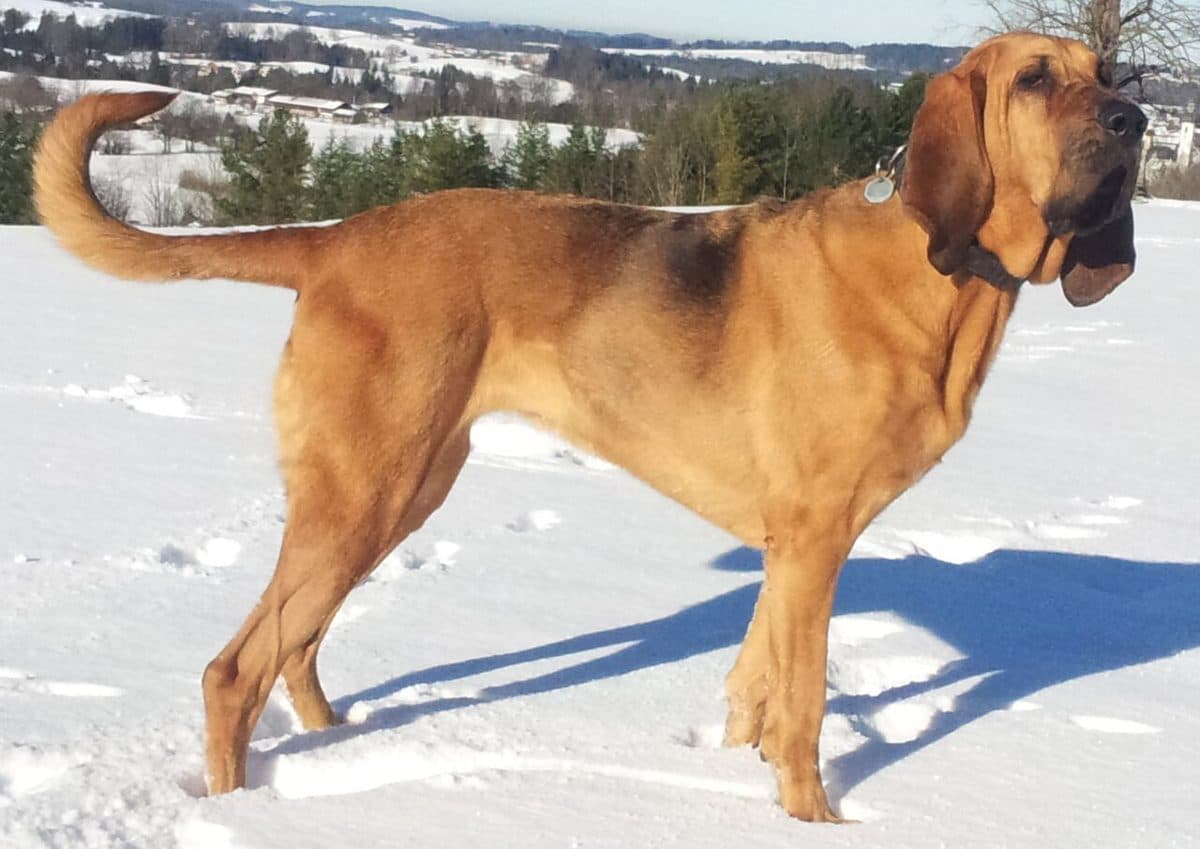
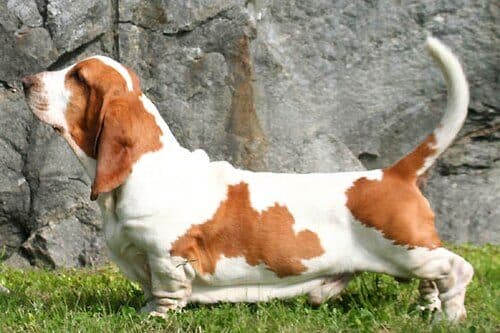
How the two compare on size, temperament, training, grooming and health, and which suits your home. The Bloodhound is the bigger breed, about 17 kg heavier on average. The Bloodhound tends to live about 2 years longer.
At a glance
Side by side.
| Trait | Bloodhound | Basset Hound |
|---|---|---|
| Group | Hound Dogs | Hound Dogs |
| Size | Large | Large |
| Height | 23 to 27 inches ttall | Up to 14 inches |
| Weight | 80 to 110 pounds | 50 to 65 pounds |
| Life span | 11 to 15 years | 10 to 12 years |
| Energy | ||
| Exercise needs | ||
| Easy to train | ||
| Intelligence | ||
| Good with children | ||
| Good with other dogs | ||
| Friendly with strangers | ||
| Shedding | ||
| Easy to groom | ||
| Barking | ||
| Apartment living | ||
| First-time owners | ||
| Copes alone | ||
| Drooling | ||
| General health |
Ratings are 1 to 5, from our breed database. Every pet is an individual.
Background
Where they come from.
The Bloodhound
Bred in medieval Europe, especially at the monastery of Saint-Hubert in Belgium, to track deer and boar by scent. Its tracking is reliable enough that its finds have been accepted as evidence in court.
Its loose skin and long ears help trap scent, and it can follow a trail several days old.
Health to watch
- Bloat
- Hip and elbow dysplasia
- Entropion and ectropion
- Ear infections
The Basset Hound
Bred in France to trail rabbits and hares on foot, its short legs keep it slow enough for hunters to follow. Its scenting ability is second only to the Bloodhound's.
Long ears sweep scent toward the nose, but they also trap moisture and need regular cleaning.
Health to watch
- Intervertebral disc disease
- Ear infections
- Glaucoma
- Bloat
- Obesity
Key differences
Where they differ most.
Easy to groom
The Basset Hound is easier to groom than the Bloodhound.
Apartment living
The Basset Hound copes better in an apartment than the Bloodhound.
Energy
The Bloodhound has more energy than the Basset Hound.
Exercise needs
The Bloodhound needs more exercise than the Basset Hound.
First-time owners
The Basset Hound suits first-time owners better than the Bloodhound.
General health
The Bloodhound tends to have fewer health problems than the Basset Hound.
Which to choose
Bloodhound or Basset Hound?
Choose the Bloodhound if…
- You want an active, playful companion (it has more energy)
- You’re out walking, running or hiking most days (it needs more exercise)
- You want a dog that tends to have fewer health problems
- You want a dog that is easier to train
Choose the Basset Hound if…
- You want a dog that is easier to groom
- You want a dog that copes better in an apartment
- You’d like a calmer pet (it is calmer)
- You have less time for long walks (it needs less exercise)
Questions.
Is the Bloodhound or the Basset Hound bigger, and which lives longer?
The Bloodhound is the bigger breed, about 17 kg heavier on average. The Bloodhound tends to live about 2 years longer. Individual pets vary, so meet the parents or the pet where you can.
Which is easier to train, the Bloodhound or the Basset Hound?
The Bloodhound is generally easier to train than the Basset Hound. Short, positive, reward-based sessions work best for both.
Which is better for families, the Bloodhound or the Basset Hound?
Both are usually good with children when well socialised. Always supervise young children with any pet.
Which sheds less?
They shed about the same amount. No breed is completely hair-free; regular brushing helps with both.
What health problems do the Bloodhound and Basset Hound have?
The Bloodhound is prone to bloat, hip and elbow dysplasia, entropion and ectropion. The Basset Hound is prone to intervertebral disc disease, ear infections, glaucoma. Both share a risk of bloat and ear infections. Ask any breeder for the parents' health test results.
