Cat breed comparison
Persian vs British Shorthair
How the two compare on size, temperament, training, grooming and health, and which suits your home.
At a glance
Side by side.
| Trait | Persian | British Shorthair |
|---|---|---|
| Origin | Iran (Persia) | United Kingdom |
| Weight | 9 to 14 lbs | 12 to 20 lbs |
| Life span | 14 to 15 years | 12 to 17 years |
| Lap cat | Yes | Yes |
| Hypoallergenic | No | No |
| Affection | ||
| Energy | ||
| Good with children | ||
| Good with dogs | ||
| Grooming needs | ||
| Shedding | ||
| Vocal | ||
| Needs company | ||
| Intelligence | ||
| Health issues |
Ratings are 1 to 5, from our breed database. Every pet is an individual.
Background
Where they come from.
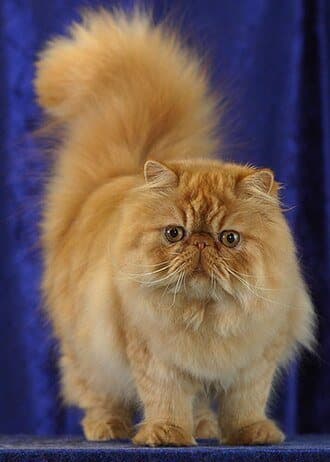
The Persian
One of the oldest breeds, taken from Persia (Iran) to Europe in the 1600s. Queen Victoria kept Persians, and the breed dominated early cat shows.
Its long coat needs daily grooming, and the flat face can cause breathing problems.
Health to watch
- Polycystic kidney disease
- Brachycephalic airway issues
- Eye problems
- Hypertrophic cardiomyopathy
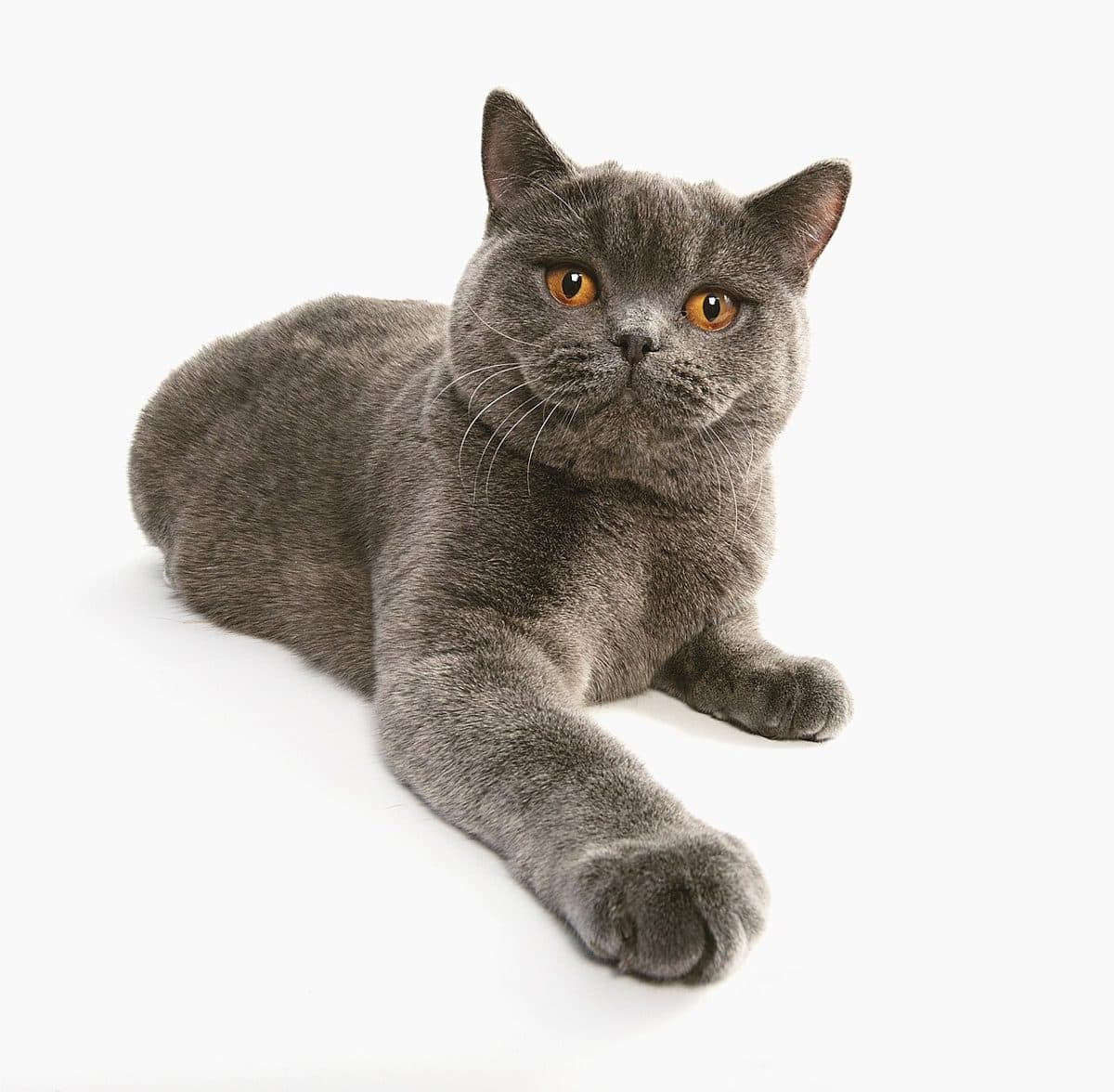
The British Shorthair
Descended from cats brought to Britain by the Romans, it was one of the first breeds shown at the 1871 Crystal Palace cat show. The blue variety is the best known.
It is calm and undemanding, and usually prefers not to be picked up.
Health to watch
- Hypertrophic cardiomyopathy
- Polycystic kidney disease
- Obesity
Key differences
Where they differ most.
Good with dogs
The British Shorthair gets on better with dogs than the Persian.
Grooming needs
The Persian needs more grooming than the British Shorthair.
Good with children
The British Shorthair is better with children than the Persian.
Affection
The Persian is more affectionate than the British Shorthair.
Energy
The British Shorthair has more energy than the Persian.
Needs company
The Persian needs more company than the British Shorthair.
Which to choose
Persian or British Shorthair?
Choose the Persian if…
- You want a cuddly cat (it is more affectionate)
- You’d like a calmer pet (it is calmer)
- Someone is home most of the day (it needs more company)
Choose the British Shorthair if…
- You want a cat that gets on better with dogs
- You want a cat that needs less grooming
- You want a cat that is better with children
- You’d like a more independent cat (it is more independent)
Questions.
Which is easier to train, the Persian or the British Shorthair?
They’re similarly easy to train. Short, positive, reward-based sessions work best for both.
Which is better for families, the Persian or the British Shorthair?
The British Shorthair is usually the better fit for families with children, though a well-socialised Persian can be great too. Always supervise young children with any pet.
Which sheds less?
They shed about the same amount. No breed is completely hair-free; regular brushing helps with both.
What health problems do the Persian and British Shorthair have?
The Persian is prone to polycystic kidney disease, brachycephalic airway issues, eye problems. The British Shorthair is prone to hypertrophic cardiomyopathy, polycystic kidney disease, obesity. Both share a risk of polycystic kidney disease and hypertrophic cardiomyopathy. Ask any breeder for the parents' health test results.
