Dog breed comparison
Australian Shepherd vs Australian Cattle Dog
How the two compare on size, temperament, training, grooming and health, and which suits your home. The Australian Shepherd is the bigger breed, about 6 kg heavier on average.
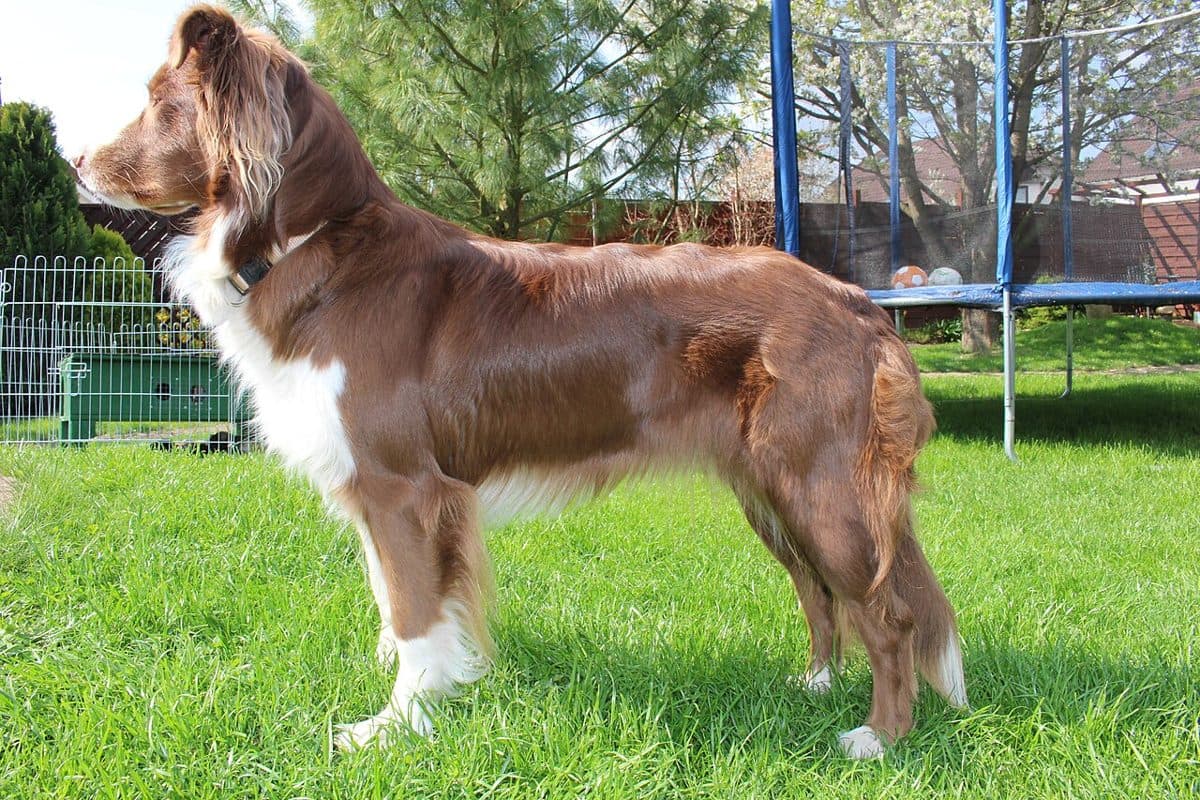
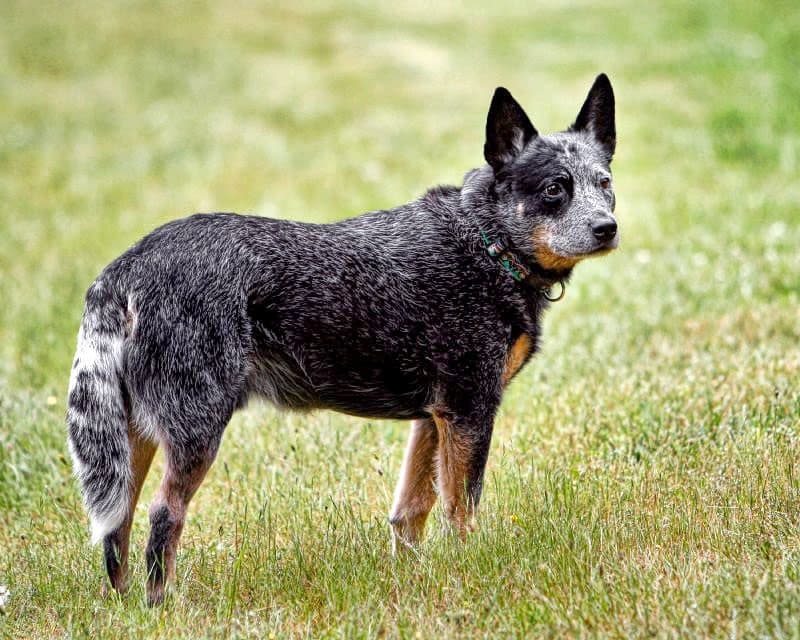
At a glance
Side by side.
| Trait | Australian Shepherd | Australian Cattle Dog |
|---|---|---|
| Group | Herding Dogs | Herding Dogs |
| Size | Large | Medium |
| Height | 18 to 23 inches | 17 to 20 inches |
| Weight | 40 to 65 pounds | 30 to 50 pounds |
| Life span | 12 to 15 years | 12 to 15 years |
| Energy | ||
| Exercise needs | ||
| Easy to train | ||
| Intelligence | ||
| Good with children | ||
| Good with other dogs | ||
| Friendly with strangers | ||
| Shedding | ||
| Easy to groom | ||
| Barking | ||
| Apartment living | ||
| First-time owners | ||
| Copes alone | ||
| Drooling | ||
| General health |
Ratings are 1 to 5, from our breed database. Every pet is an individual.
Background
Where they come from.
The Australian Shepherd
Despite the name, the breed was developed in the western United States, from shepherd dogs that probably came with Basque herders via Australia. It became the cowboy's working dog on ranches and in rodeos.
Many carry the MDR1 gene mutation, which makes common drugs such as ivermectin dangerous, so test before treatment.
Health to watch
- MDR1 drug sensitivity
- Hip dysplasia
- Epilepsy
- Collie eye anomaly
- Hereditary cataracts
The Australian Cattle Dog
Developed in 19th-century New South Wales by crossing herding dogs with dingoes, to move cattle over vast, hot distances. It herds by nipping at heels, which is why it is also called the Heeler.
Bluey, an Australian Cattle Dog, holds the Guinness record for the oldest dog at 29 years.
Health to watch
- Hereditary deafness
- Progressive retinal atrophy
- Hip dysplasia
- Primary lens luxation
Key differences
Where they differ most.
Easy to groom
The Australian Cattle Dog is easier to groom than the Australian Shepherd.
General health
The Australian Cattle Dog tends to have fewer health problems than the Australian Shepherd.
Barking
The Australian Shepherd barks more than the Australian Cattle Dog.
Good with children
The Australian Shepherd is better with children than the Australian Cattle Dog.
Good with other dogs
The Australian Shepherd gets on better with other dogs than the Australian Cattle Dog.
Friendly with strangers
The Australian Shepherd is friendlier with strangers than the Australian Cattle Dog.
Which to choose
Australian Shepherd or Australian Cattle Dog?
Choose the Australian Shepherd if…
- You want a dog that is better with children
- You want a dog that gets on better with other dogs
- You have lots of visitors (it is friendlier with strangers)
- You want a dog that suits first-time owners better
Choose the Australian Cattle Dog if…
- You want a dog that is easier to groom
- You want a dog that tends to have fewer health problems
- You want a dog that barks less
- You want a more watchful dog (it is more reserved with strangers)
Questions.
Is the Australian Shepherd or the Australian Cattle Dog bigger, and which lives longer?
The Australian Shepherd is the bigger breed, about 6 kg heavier on average. Individual pets vary, so meet the parents or the pet where you can.
Which is easier to train, the Australian Shepherd or the Australian Cattle Dog?
They’re similarly easy to train. Short, positive, reward-based sessions work best for both.
Which is better for families, the Australian Shepherd or the Australian Cattle Dog?
The Australian Shepherd is usually the better fit for families with children, though a well-socialised Australian Cattle Dog can be great too. Always supervise young children with any pet.
Which sheds less?
They shed about the same amount. No breed is completely hair-free; regular brushing helps with both.
What health problems do the Australian Shepherd and Australian Cattle Dog have?
The Australian Shepherd is prone to MDR1 drug sensitivity, hip dysplasia, epilepsy. The Australian Cattle Dog is prone to hereditary deafness, progressive retinal atrophy, hip dysplasia. Both share a risk of hip dysplasia. Ask any breeder for the parents' health test results.
