Dog breed comparison
Boxer vs American Pit Bull Terrier
How the two compare on size, temperament, training, grooming and health, and which suits your home. The Boxer is the bigger breed, about 3 kg heavier on average. The American Pit Bull Terrier tends to live about 3 years longer.
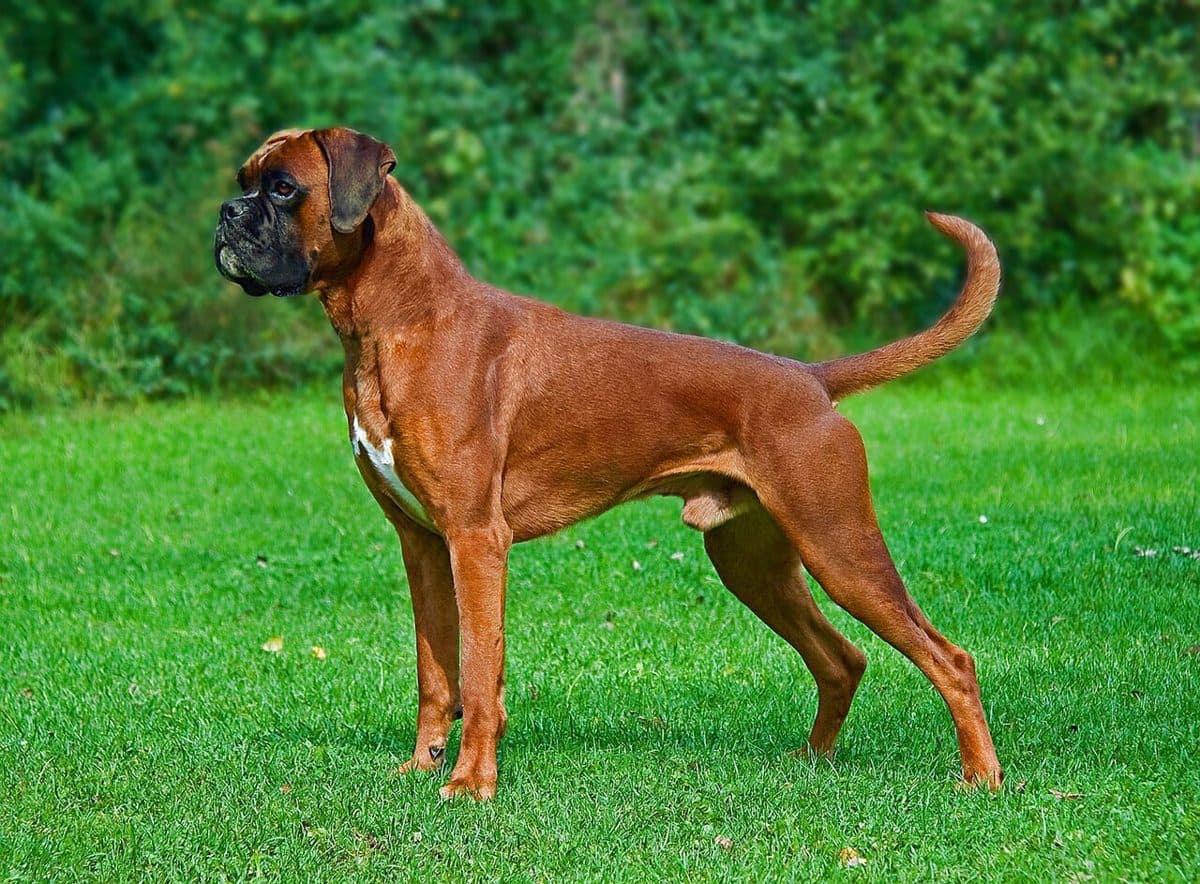
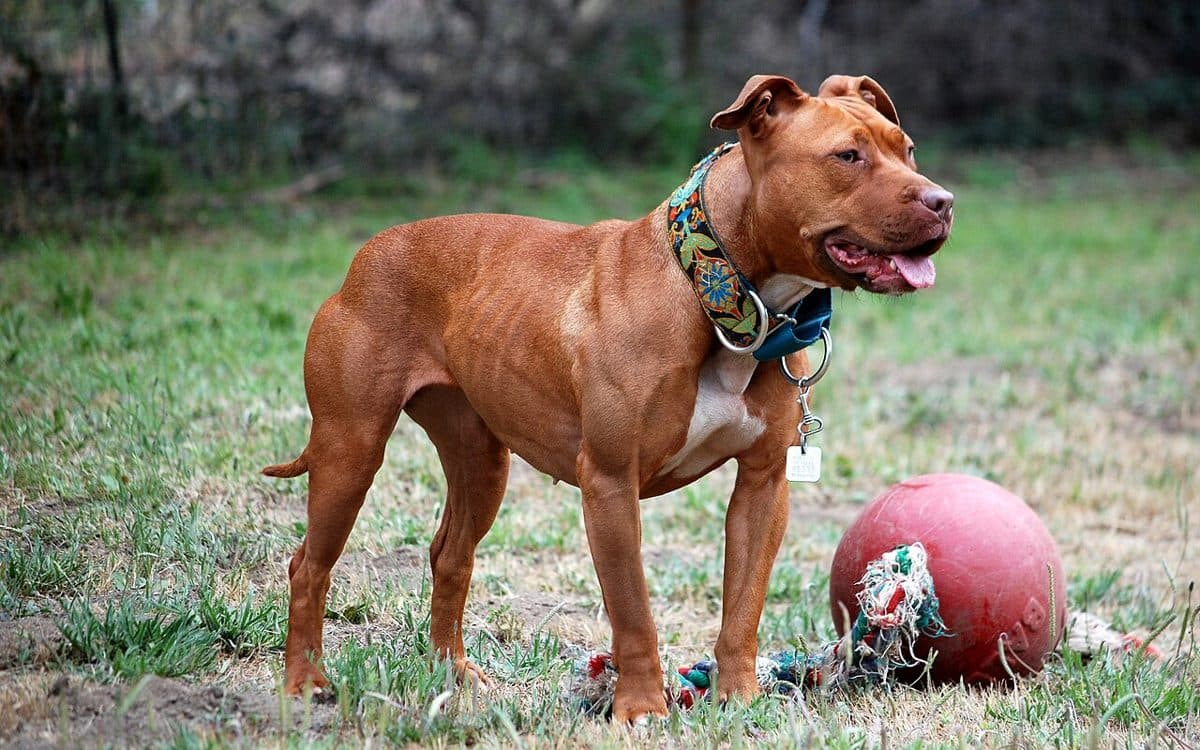
At a glance
Side by side.
| Trait | Boxer | American Pit Bull Terrier |
|---|---|---|
| Group | Working Dogs | Terrier Dogs |
| Size | Large | Large |
| Height | 21 to 25 inches | 17 to 19 inches |
| Weight | 60 to 70 pounds | 30 to 85 pounds |
| Life span | 10 to 12 years | 12 to 16 years |
| Energy | ||
| Exercise needs | ||
| Easy to train | ||
| Intelligence | ||
| Good with children | ||
| Good with other dogs | ||
| Friendly with strangers | ||
| Shedding | ||
| Easy to groom | ||
| Barking | ||
| Apartment living | ||
| First-time owners | ||
| Copes alone | ||
| Drooling | ||
| General health |
Ratings are 1 to 5, from our breed database. Every pet is an individual.
Background
Where they come from.
The Boxer
Developed in Munich in the late 1800s from the Bullenbeisser, a mastiff-type hunting dog, crossed with English Bulldogs. Boxers were among the first breeds used as police and military dogs in Germany.
It is famously clownish and stays playful well past puppyhood.
Health to watch
- Boxer cardiomyopathy (ARVC)
- Mast cell tumours and other cancers
- Hip dysplasia
- Degenerative myelopathy
- Brachycephalic airway issues
The American Pit Bull Terrier
Descended from the bull-and-terrier dogs of 19th-century Britain and Ireland, brought to the United States, where it was used as a farm and catch dog. It is recognised by the UKC but not the AKC.
Strongly people-oriented, it is one of the breeds most affected by breed-specific legislation, so check local rules and rental policies.
Health to watch
- Hip dysplasia
- Skin allergies
- Hypothyroidism
- Cerebellar ataxia
- Heart disease
Key differences
Where they differ most.
Good with other dogs
The Boxer gets on better with other dogs than the American Pit Bull Terrier.
General health
The American Pit Bull Terrier tends to have fewer health problems than the Boxer.
Energy
The Boxer has more energy than the American Pit Bull Terrier.
Exercise needs
The Boxer needs more exercise than the American Pit Bull Terrier.
Good with children
The American Pit Bull Terrier is better with children than the Boxer.
Friendly with strangers
The American Pit Bull Terrier is friendlier with strangers than the Boxer.
Which to choose
Boxer or American Pit Bull Terrier?
Choose the Boxer if…
- You want a dog that gets on better with other dogs
- You want an active, playful companion (it has more energy)
- You’re out walking, running or hiking most days (it needs more exercise)
- You want a more watchful dog (it is more reserved with strangers)
Choose the American Pit Bull Terrier if…
- You want a dog that tends to have fewer health problems
- You’d like a calmer pet (it is calmer)
- You have less time for long walks (it needs less exercise)
- You want a dog that is better with children
Questions.
Is the Boxer or the American Pit Bull Terrier bigger, and which lives longer?
The Boxer is the bigger breed, about 3 kg heavier on average. The American Pit Bull Terrier tends to live about 3 years longer. Individual pets vary, so meet the parents or the pet where you can.
Which is easier to train, the Boxer or the American Pit Bull Terrier?
They’re similarly easy to train. Short, positive, reward-based sessions work best for both.
Which is better for families, the Boxer or the American Pit Bull Terrier?
The American Pit Bull Terrier is usually the better fit for families with children, though a well-socialised Boxer can be great too. Always supervise young children with any pet.
Which sheds less?
They shed about the same amount. No breed is completely hair-free; regular brushing helps with both.
What health problems do the Boxer and American Pit Bull Terrier have?
The Boxer is prone to boxer cardiomyopathy (ARVC), mast cell tumours and other cancers, hip dysplasia. The American Pit Bull Terrier is prone to hip dysplasia, skin allergies, hypothyroidism. Both share a risk of hip dysplasia. Ask any breeder for the parents' health test results.
