Companion dog breed
Cavalier King Charles Spaniel
The Cavalier King Charles Spaniel is a small companion breed with a typical lifespan of 9 to 15 years.
Reviewed to our editorial standards · Updated
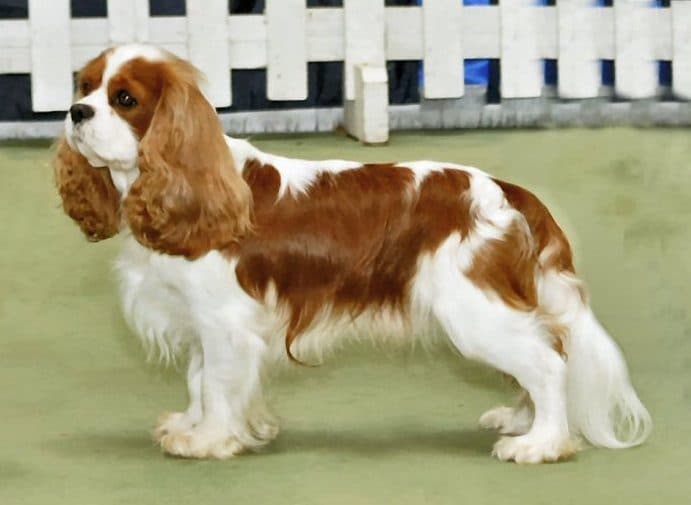
- Size
- Small
- Height
- 12 to 13 inches
- Weight
- 13 to 18 pounds
- Life span
- 9 to 15 years
- Group
- Companion
History and purpose
Named after King Charles II, who kept toy spaniels at court. The modern breed was recreated in the 1920s to match the longer-nosed spaniels in old paintings.
Fully grown, the Cavalier King Charles Spaniel stands 12 to 13 inches and weighs 13 to 18 pounds. Most Cavaliers develop mitral valve disease, so choose a breeder who heart-tests parents every year.
Temperament
This is a people-focused dog that wants to be part of whatever the family is doing. With kids it is generally easygoing, and many Cavalier King Charles Spaniels become a child's constant shadow. It generally enjoys the company of other dogs.
It is outgoing with new people and rarely shy. It is a fairly quiet dog. Keep an eye on it around small pets until you know how it reacts.
Exercise, grooming and training
Daily exercise is not optional for the Cavalier King Charles Spaniel. Most need a long walk or run every day, and more on weekends. Long days alone don't suit it; it is happiest when someone is home.
Its coat is low-maintenance; a weekly once-over with a brush is plenty. Shedding is moderate.
It is quick to learn and enjoys training, so it does well in obedience and dog sports.
It copes poorly with heat, so walk it in the cool of the day and watch for overheating.
Work out their needs with the free calorie calculator, exercise calculator and water intake calculator.
Health and lifespan
Owners and breeders watch for mitral valve disease, syringomyelia, hip dysplasia and episodic falling.
Typical life expectancy is 9 to 15 years. If you buy a puppy, ask to see the parents' hip and elbow scores, eye test results and heart screening results. The Cavalier King Charles Spaniel puts on weight easily, so measure meals and go easy on treats.
- Mitral valve disease
- Syringomyelia
- Hip dysplasia
- Episodic falling
- Dry eye
Ratings
Scored 1 to 5, where 5 is the most. Individual dogs vary.
Living with it
- Adaptability
- 3/5
- Apartment living
- 5/5
- Good for first-time owners
- 5/5
- Sensitivity
- 5/5
- Copes with being alone
- 1/5
- Copes with cold
- 3/5
- Copes with heat
- 2/5
Friendliness
- Affection with family
- 5/5
- Good with kids
- 5/5
- Good with other dogs
- 5/5
- Friendly with strangers
- 5/5
Coat and health
- Shedding
- 3/5
- Drooling
- 1/5
- Easy to groom
- 4/5
- General health
- 4/5
- Tendency to gain weight
- 4/5
Training and behaviour
- Easy to train
- 4/5
- Intelligence
- 4/5
- Mouthiness
- 3/5
- Prey drive
- 3/5
- Barking
- 2/5
- Tendency to roam
- 2/5
Exercise
- Energy
- 3/5
- Intensity
- 2/5
- Exercise needs
- 4/5
- Playfulness
- 5/5
Is the Cavalier King Charles Spaniel right for you?
Often a good fit for
- First-time owners willing to train consistently
- Active people who hike, run or do dog sports
- Families with children
Less suited to
- Homes that can manage only short daily walks
- Owners who are out all day
Thinking of adopting? Read our guide to adopting a rescue or browse adoption on Hushku.
Cavalier King Charles Spaniel questions
What was the Cavalier King Charles Spaniel originally bred for?
Named after King Charles II, who kept toy spaniels at court. Today, most Cavaliers develop mitral valve disease, so choose a breeder who heart-tests parents every year.
What health problems do Cavalier King Charles Spaniels have?
Mitral valve disease, syringomyelia, hip dysplasia, episodic falling and dry eye are the conditions most associated with the Cavalier King Charles Spaniel. Ask a breeder for the parents' hip and elbow scores, eye test results and heart screening results before you commit.
Is the Cavalier King Charles Spaniel good with kids?
Usually, yes. The Cavalier King Charles Spaniel is rated 5 out of 5 for getting along with children. Small dogs can be hurt by rough handling, so teach children to sit on the floor to hold it.
How much exercise does a Cavalier King Charles Spaniel need?
Plan on 90 minutes to 2 hours a day. With energy 3 out of 5 and exercise needs 4 out of 5, it does well with walks and play. Exercise it in the cool of the day in summer.
Does the Cavalier King Charles Spaniel shed?
A moderate amount: it rates 3 out of 5 for shedding and 4 out of 5 for ease of grooming. A weekly brush keeps loose hair under control.
Is the Cavalier King Charles Spaniel a good dog for first-time owners?
It can be. Like any dog, it needs consistent training, but it is one of the easier breeds to start with.
How big does a Cavalier King Charles Spaniel get?
Adults typically stand 12 to 13 inches and weigh 13 to 18 pounds (about 7 kg on average), which makes it a small dog. Males are usually larger than females.
Cavalier King Charles Spaniel mixes

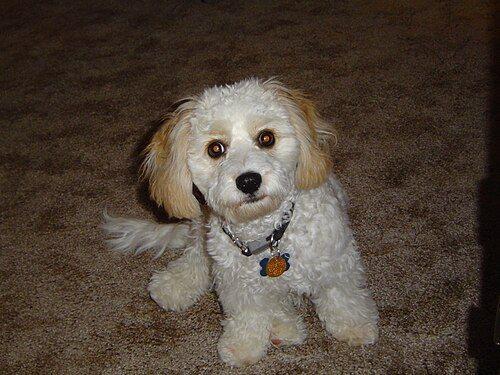


Similar dogs
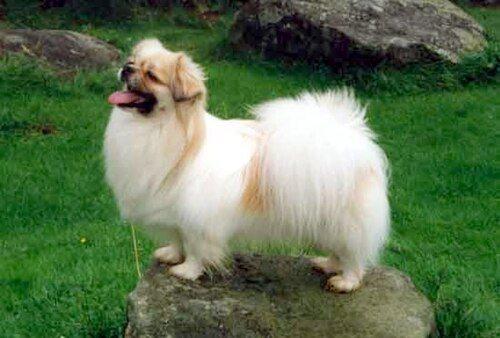
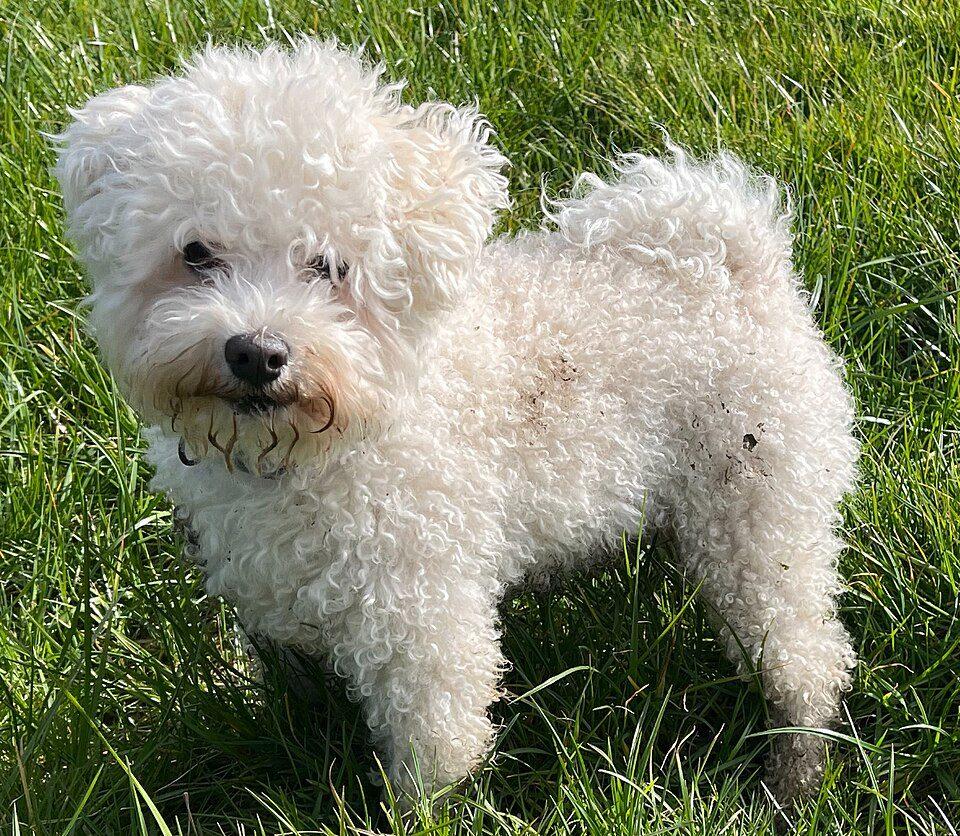
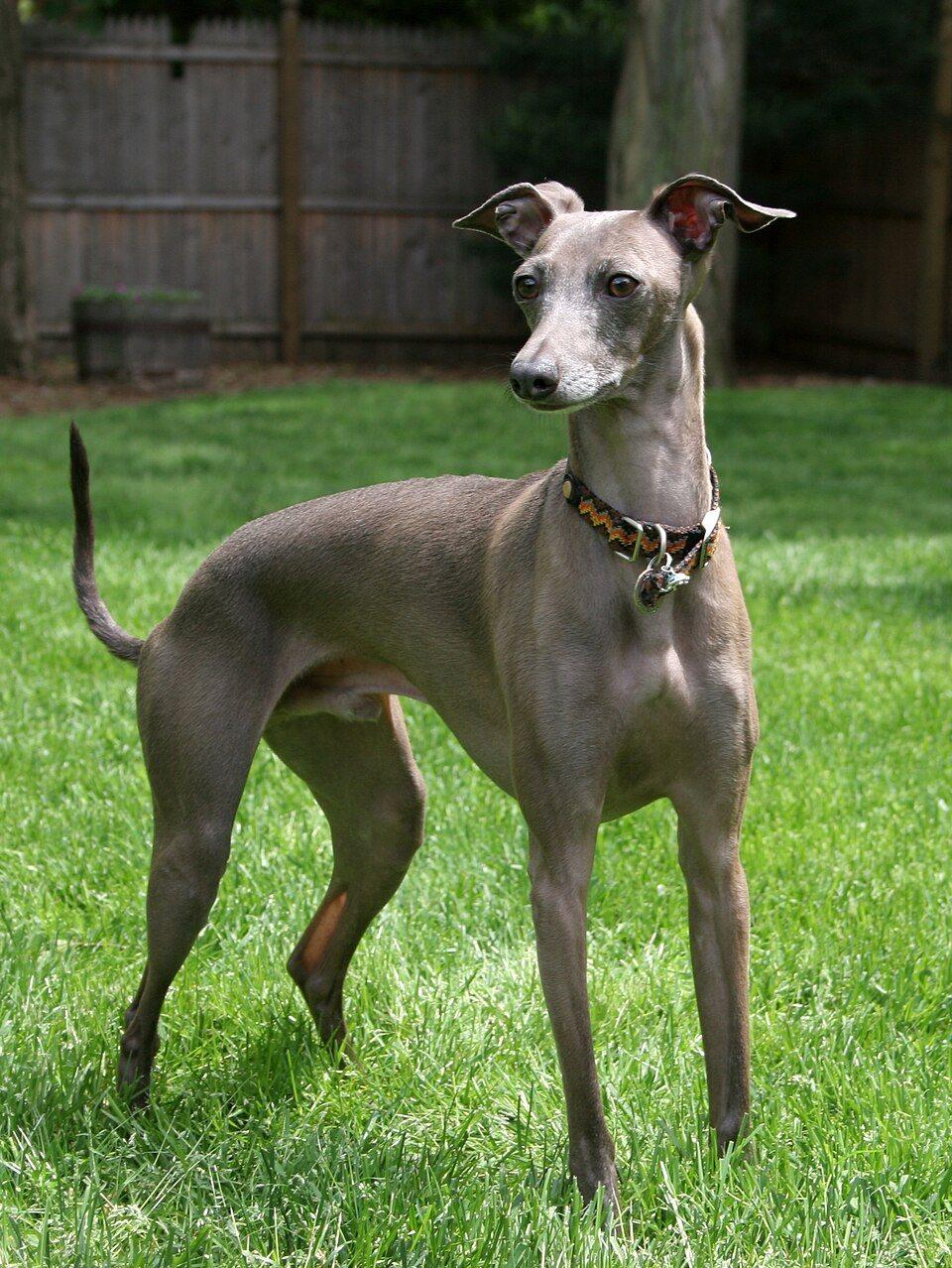
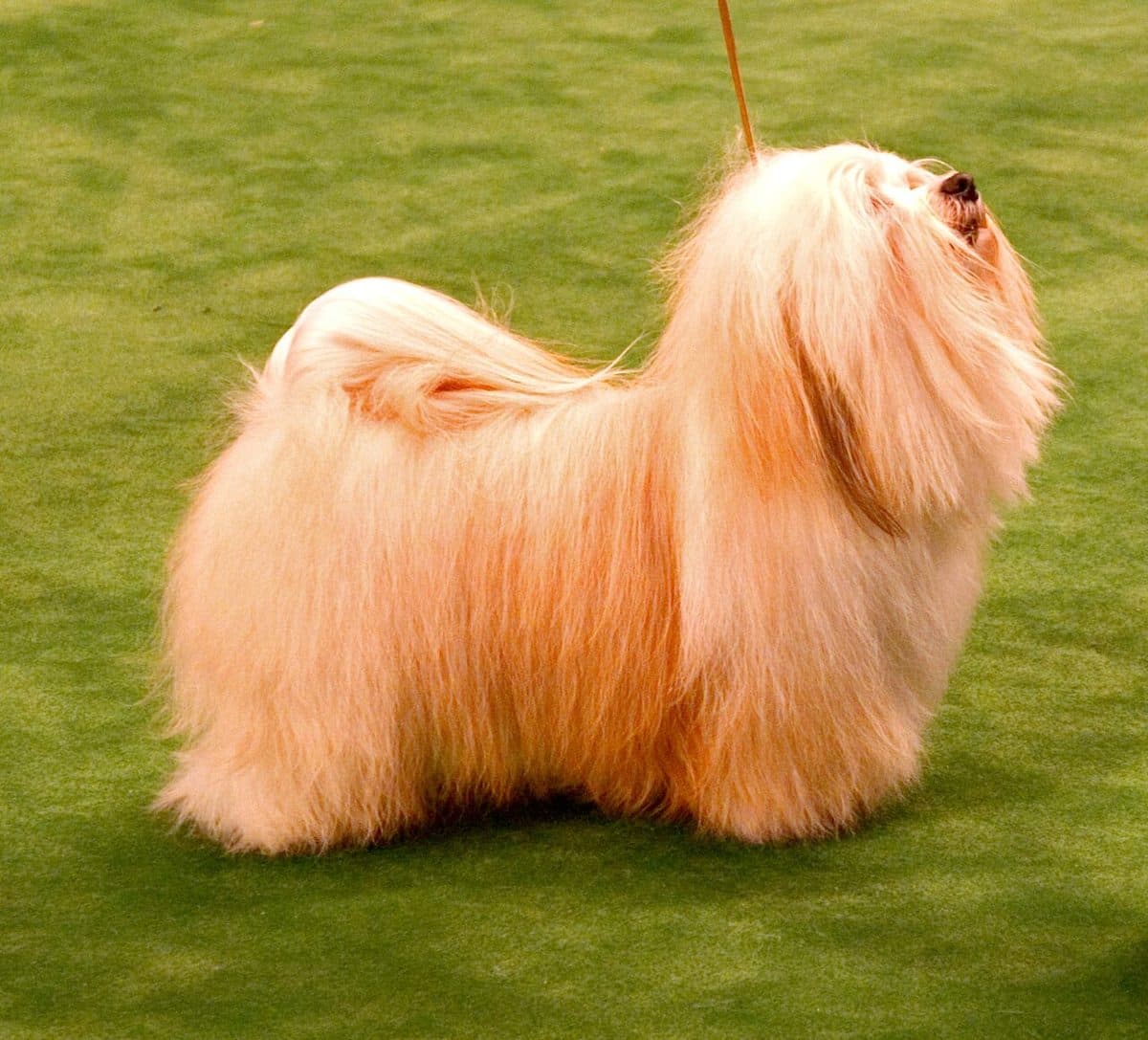
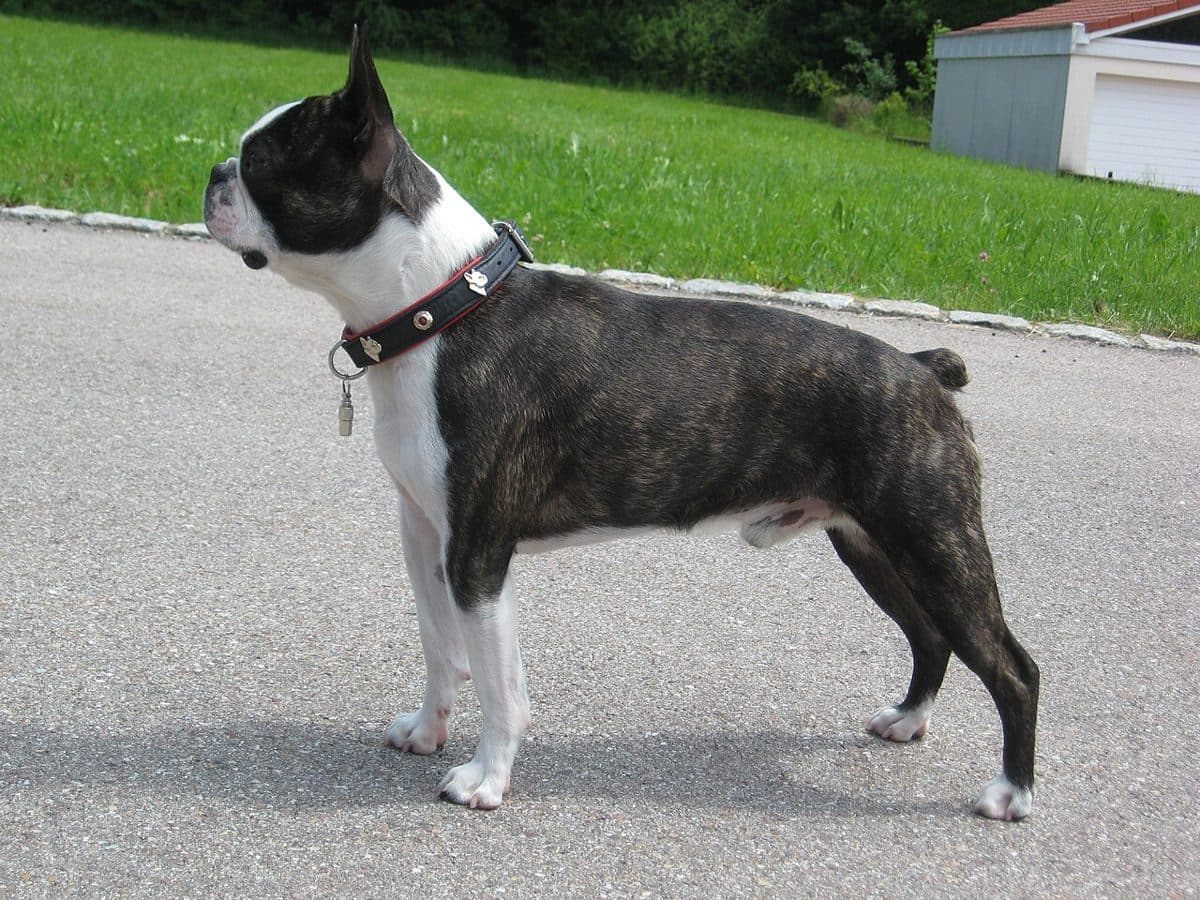
Cavalier King Charles Spaniel compared
Own a Cavalier King Charles Spaniel?
Keep their reminders, weight and health records in Hushku, and find playmates nearby.
