Sporting dog breed
Labrador Retriever
The Labrador Retriever is a large sporting breed with a typical lifespan of 10 to 12 years.
Reviewed to our editorial standards · Updated
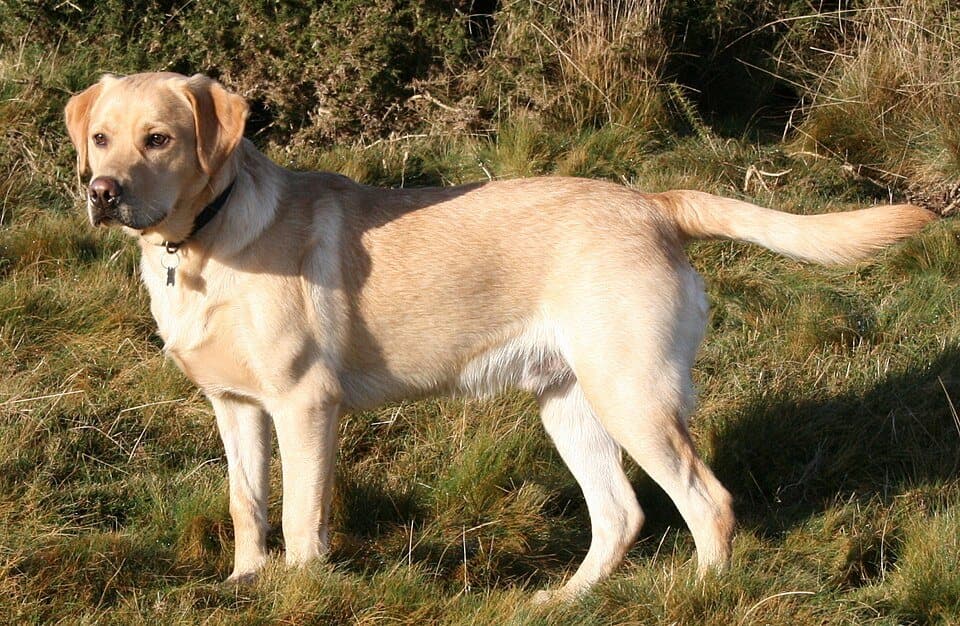
- Size
- Large
- Height
- 21 to 24 inches
- Weight
- 55 to 80 pounds
- Life span
- 10 to 12 years
- Group
- Sporting
History and purpose
Descended from the St John's water dog of Newfoundland, which helped fishermen haul nets and retrieve fish. English aristocrats such as the Earls of Malmesbury refined it into a gundog in the 1800s.
An adult Labrador Retriever usually stands 21 to 24 inches and weighs 55 to 80 pounds. Many Labradors carry a POMC gene variant linked to constant hunger, so portion control matters.
Temperament
The Labrador Retriever is very affectionate and likes to be close to its people. It is usually patient with children, though supervision is still wise with any dog. It generally enjoys the company of other dogs.
Most Labrador Retrievers greet visitors as friends, so don't count on it as a guard dog. It can be vocal, so teach a quiet cue early, especially in apartments.
Exercise, grooming and training
It needs 1 to 2 hours of vigorous exercise a day; without it, expect boredom and destructive habits. Long days alone don't suit it; it is happiest when someone is home.
Coat care is simple, mostly a weekly brush and the occasional bath. It sheds heavily, especially in spring and autumn, so expect hair around the house.
It responds well to reward-based training and often enjoys learning tricks. Puppies are especially mouthy, so provide chew toys and teach bite inhibition early.
Work out their needs with the free calorie calculator, exercise calculator and water intake calculator.
Health and lifespan
Conditions seen more often in the Labrador Retriever include hip and elbow dysplasia, obesity, exercise-induced collapse and progressive retinal atrophy.
Typical life expectancy is 10 to 12 years. If you buy a puppy, ask to see the parents' hip and elbow scores and eye test results. The Labrador Retriever puts on weight easily, so measure meals and go easy on treats.
- Hip and elbow dysplasia
- Obesity
- Exercise-induced collapse
- Progressive retinal atrophy
- Ear infections
Ratings
Scored 1 to 5, where 5 is the most. Individual dogs vary.
Living with it
- Adaptability
- 2/5
- Apartment living
- 1/5
- Good for first-time owners
- 3/5
- Sensitivity
- 5/5
- Copes with being alone
- 2/5
- Copes with cold
- 3/5
- Copes with heat
- 3/5
Friendliness
- Affection with family
- 5/5
- Good with kids
- 5/5
- Good with other dogs
- 5/5
- Friendly with strangers
- 5/5
Coat and health
- Shedding
- 5/5
- Drooling
- 3/5
- Easy to groom
- 5/5
- General health
- 3/5
- Tendency to gain weight
- 5/5
Training and behaviour
- Easy to train
- 5/5
- Intelligence
- 5/5
- Mouthiness
- 5/5
- Prey drive
- 2/5
- Barking
- 4/5
- Tendency to roam
- 3/5
Exercise
- Energy
- 5/5
- Intensity
- 5/5
- Exercise needs
- 5/5
- Playfulness
- 5/5
Is the Labrador Retriever right for you?
Often a good fit for
- Active people who hike, run or do dog sports
- Families with children
Less suited to
- First-time owners
- Homes that can manage only short daily walks
- Small apartments without a garden
- Owners who are out all day
- People who don't want dog hair around the house
Thinking of adopting? Read our guide to adopting a rescue or browse adoption on Hushku.
Labrador Retriever questions
What was the Labrador Retriever originally bred for?
Descended from the St John's water dog of Newfoundland, which helped fishermen haul nets and retrieve fish. Today, many Labradors carry a POMC gene variant linked to constant hunger, so portion control matters.
What health problems do Labrador Retrievers have?
Hip and elbow dysplasia, obesity, exercise-induced collapse, progressive retinal atrophy and ear infections are the conditions most associated with the Labrador Retriever. Ask a breeder for the parents' hip and elbow scores and eye test results before you commit.
Is the Labrador Retriever good with kids?
Usually, yes. The Labrador Retriever is rated 5 out of 5 for getting along with children. At 55 to 80 pounds, an excited adult can knock over a small child, so teach calm greetings early.
How much exercise does a Labrador Retriever need?
Plan on 90 minutes to 2 hours a day. With energy 5 out of 5 and exercise needs 5 out of 5, it does well with retrieving, swimming or running.
Does the Labrador Retriever shed?
Yes, a lot: it rates 5 out of 5 for shedding and 5 out of 5 for ease of grooming. Brush several times a week, and daily in shedding season.
Is the Labrador Retriever a good dog for first-time owners?
It is usually better with an experienced owner, because of its size (about 30 kg on average) and its energy. A first-time owner who still wants one should budget for a training class from day one.
How big does a Labrador Retriever get?
Adults typically stand 21 to 24 inches and weigh 55 to 80 pounds (about 30 kg on average), which makes it a large dog. Males are usually larger than females.
Labrador Retriever mixes
- No photo yetAfadorLarge
- No photo yetAustralian Shepherd Lab MixLarge
- No photo yetBassadorLarge
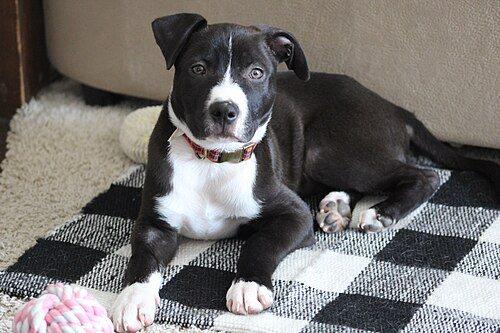 BoradorLarge
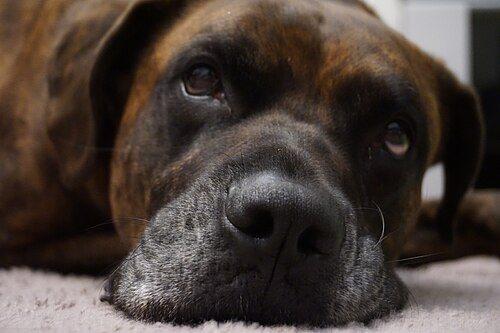 BoxadorLarge
- No photo yetBulladorLarge
- No photo yetCavadorMedium
- No photo yetChabradorLarge
- No photo yetCorgidorMedium
- No photo yetDachsadorMedium
- No photo yetDoberdorLarge
 German ShepradorLarge
 GoldadorLarge
- No photo yetGreyadorLarge
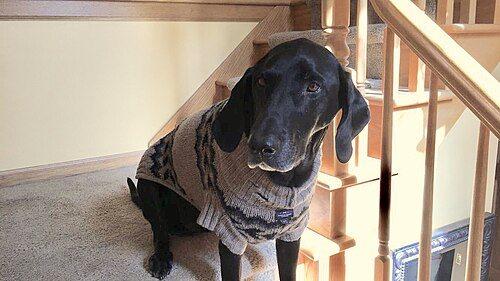 Lab PointerLarge
- No photo yetLaberneseLarge
- No photo yetLabmaranerLarge
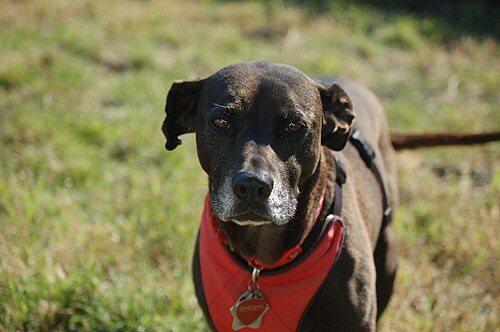 LabrabullLarge
- No photo yetLabradaneVery Large
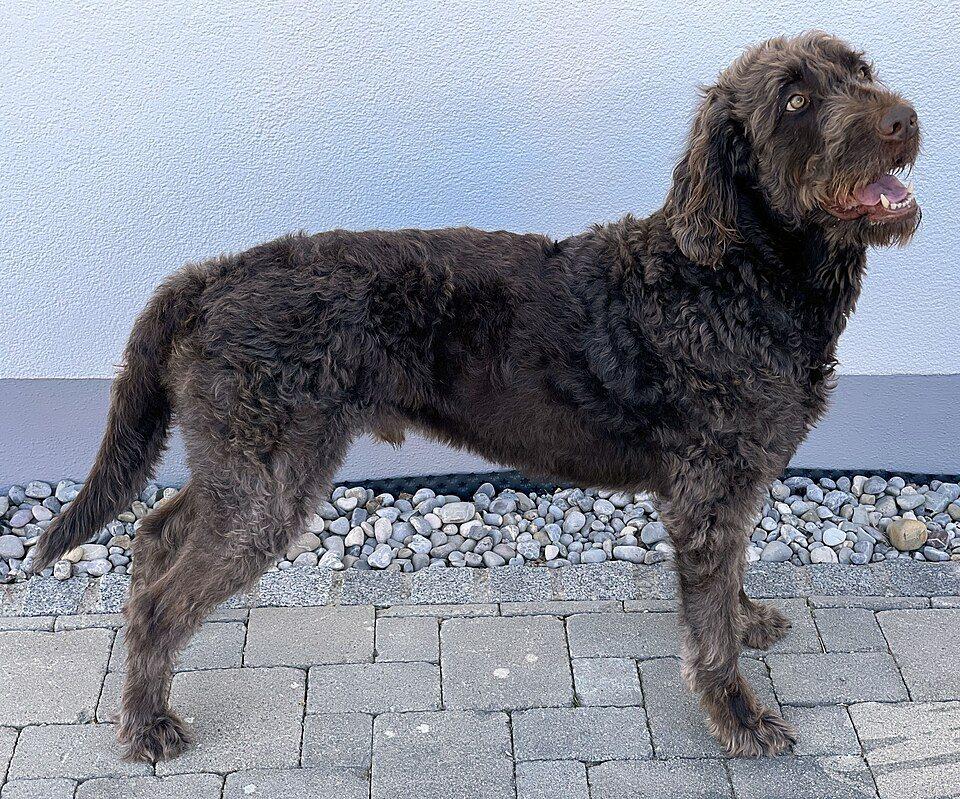 LabradoodleLarge
- No photo yetLabrastaffLarge
- No photo yetLabskyLarge
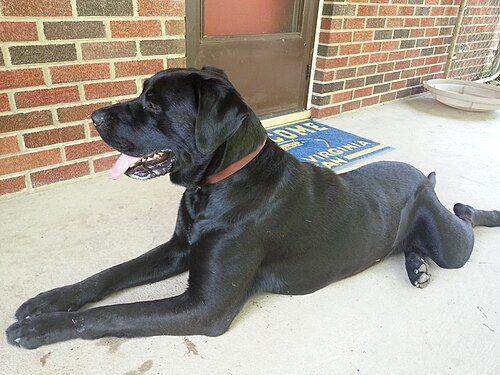 MastadorVery Large
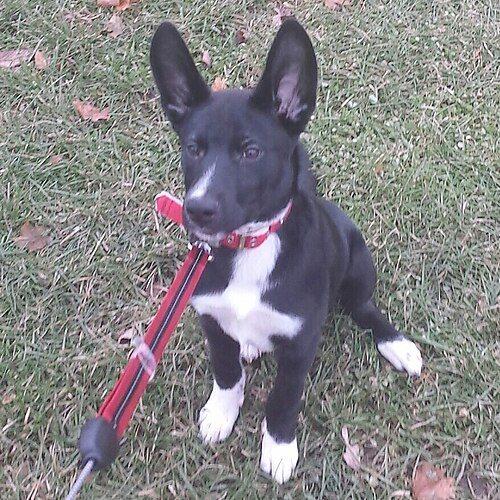 RottadorLarge
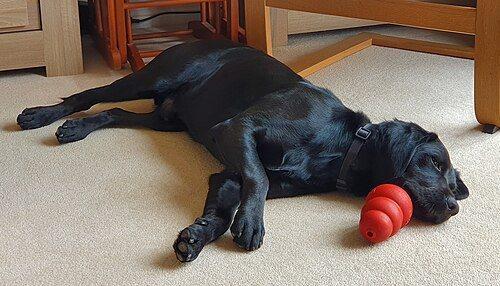 SpringadorLarge
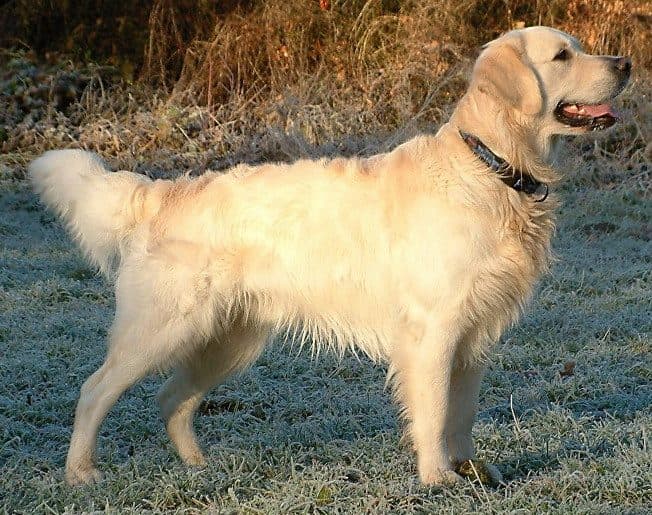
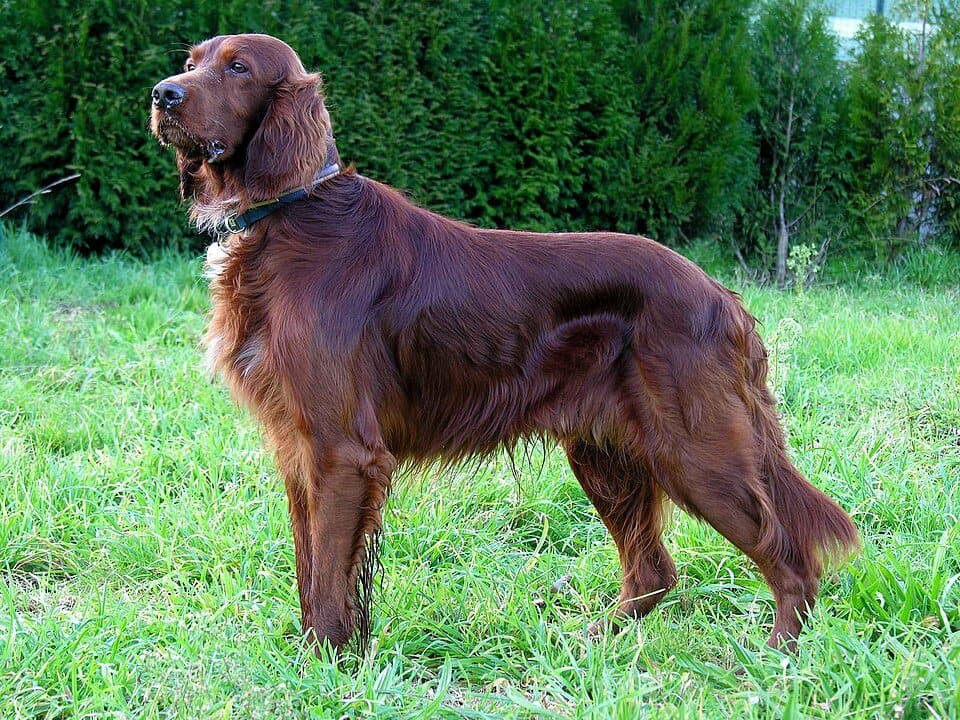
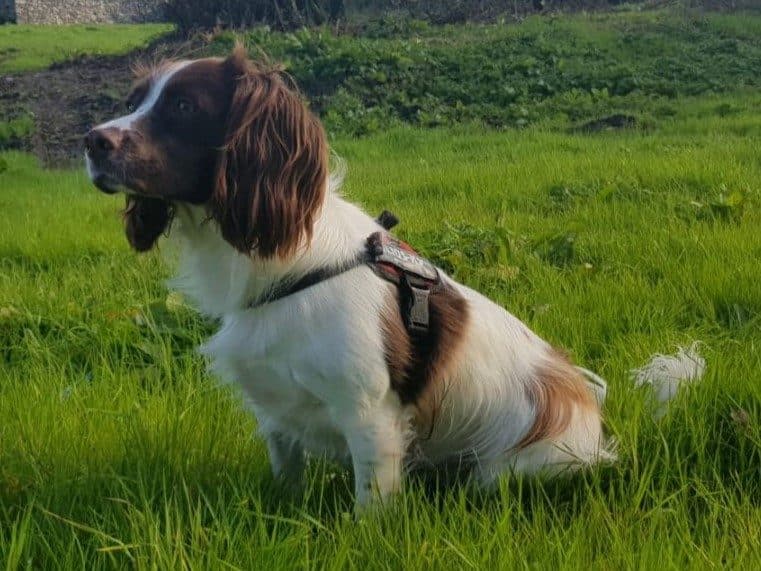
Similar dogs

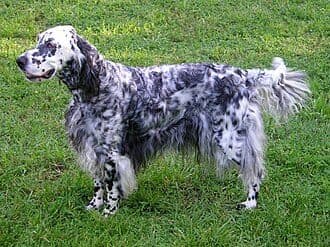
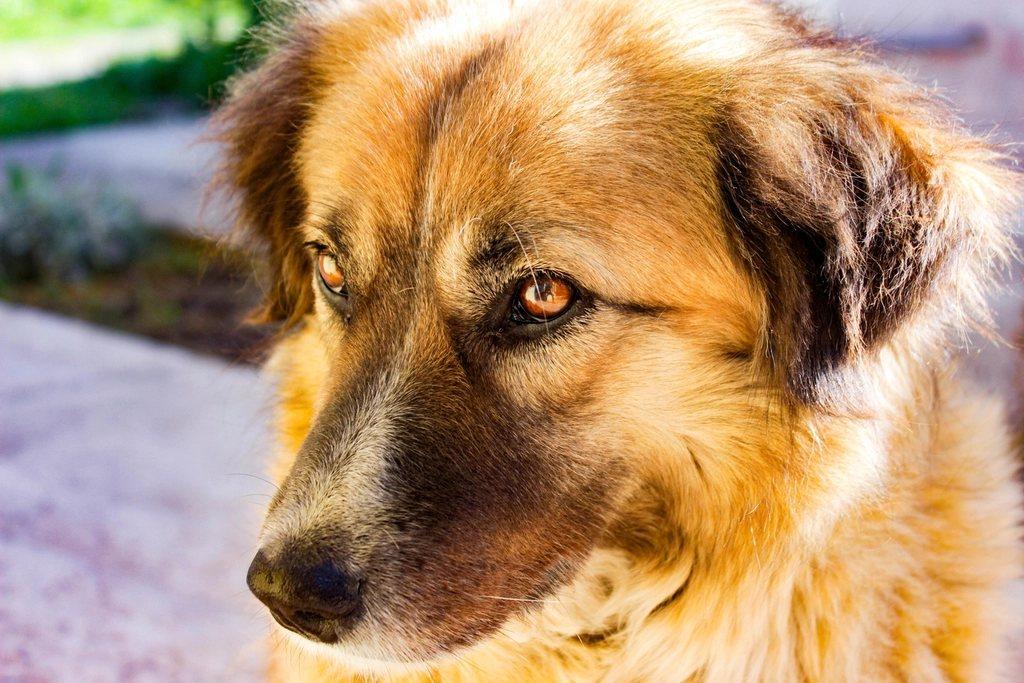
Own a Labrador Retriever?
Keep their reminders, weight and health records in Hushku, and find playmates nearby.
